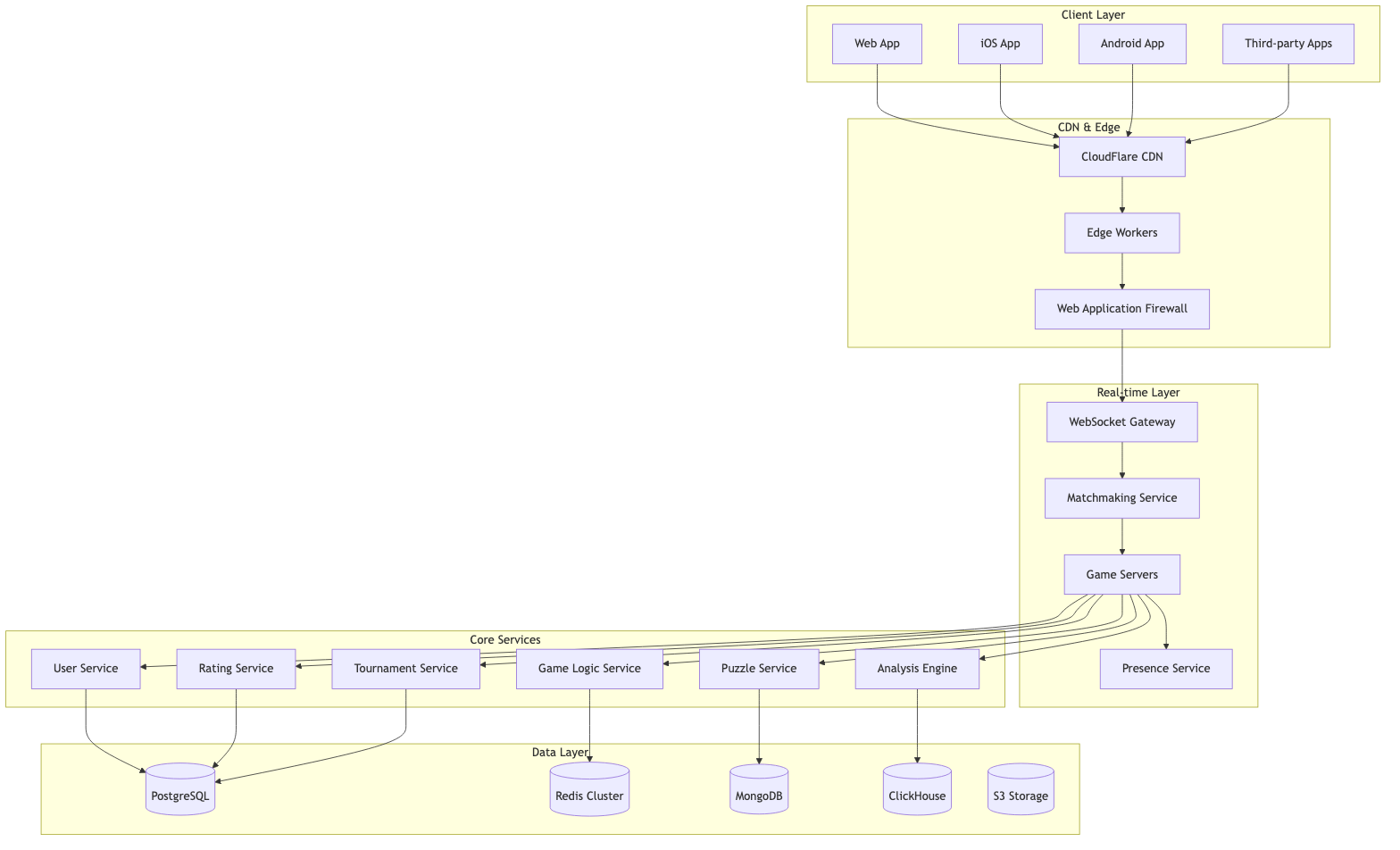
Chess.com ♟️ Chess.com serves over 100 million members globally, handling millions of concurrent games with real-time synchronization. This document outlines the comprehensive architecture that enables Chess.com to deliver low-latency gaming experiences with 99.9% availability.
Time Increment
Time Flag
Clock Sync
Player Connection
Authentication
Session Management
Time Increment
Time Flag
Clock Sync
Player Connection
Authentication
Session Management
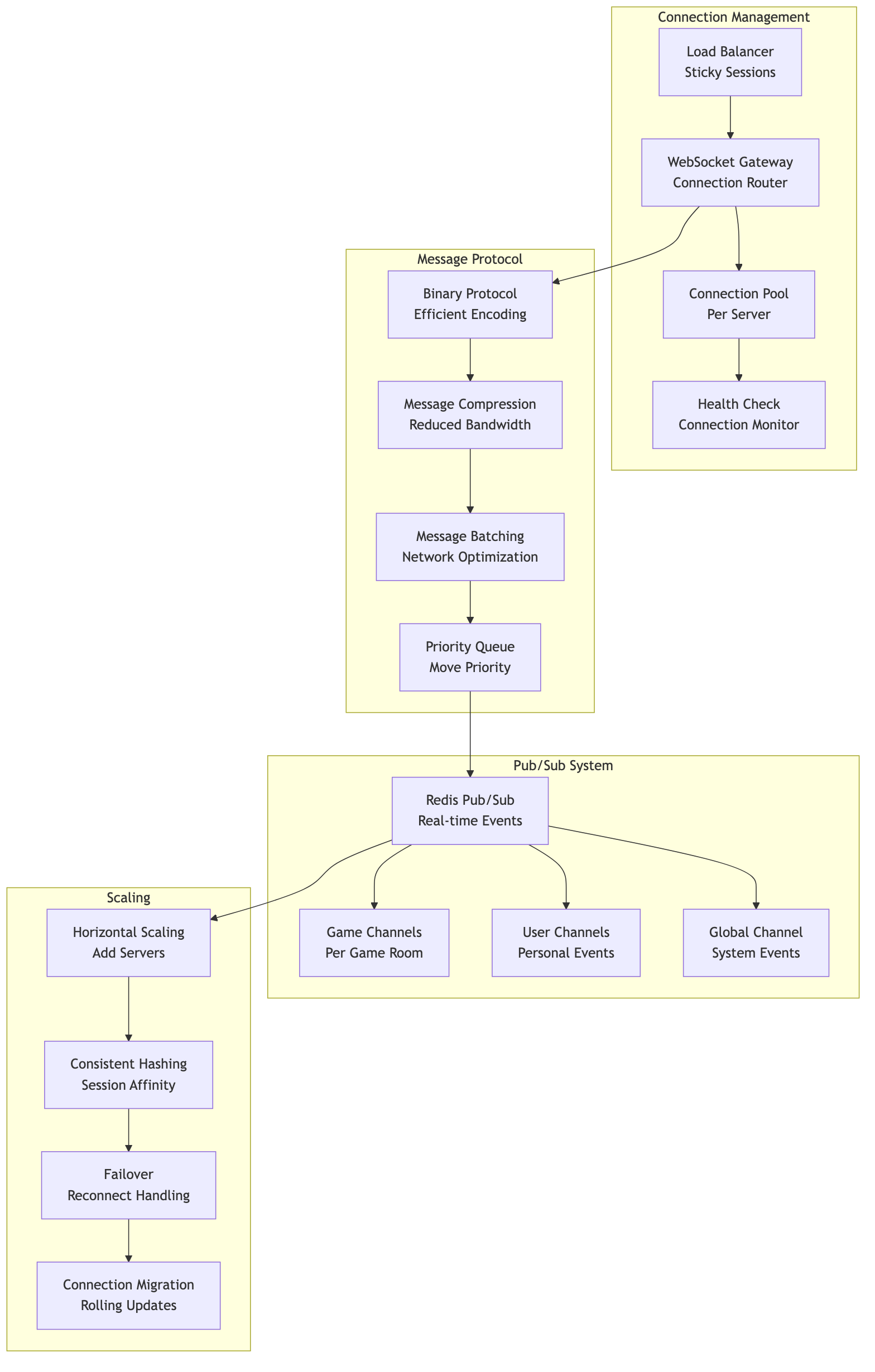
Key Features:
Sub-100ms move latency globally
Support for 1M+ concurrent games
Automatic reconnection handling
Clock synchronization with latency compensation
Technologies: Golang, WebSocket, Redis Pub/Sub
Load Balancer
WebSocket Gateway
Connection Pool
Health Check
Binary Protocol
Message Compression
Message Batching
Priority Queue
Redis Pub/Sub
Game Channels
User Channels
Global Channel
Horizontal Scaling
Consistent Hashing
Failover
Connection Migration
Load Balancer
WebSocket Gateway
Connection Pool
Health Check
Binary Protocol
Message Compression
Message Batching
Priority Queue
Redis Pub/Sub
Game Channels
User Channels
Global Channel
Horizontal Scaling
Consistent Hashing
Failover
Connection Migration
WebSocket Features:
Sticky sessions for connection persistence
Binary protocol for efficiency
Redis Pub/Sub for cross-server communication
Automatic failover and reconnection
Queue Types
Rating Pools
Game Variants
Wait Time Factor
Region Preference
History Check
Assign Colors
Create Game Instance
Abandon Tracking
Sandbagging Detection
Queue Types
Rating Pools
Game Variants
Wait Time Factor
Region Preference
History Check
Assign Colors
Create Game Instance
Abandon Tracking
Sandbagging Detection
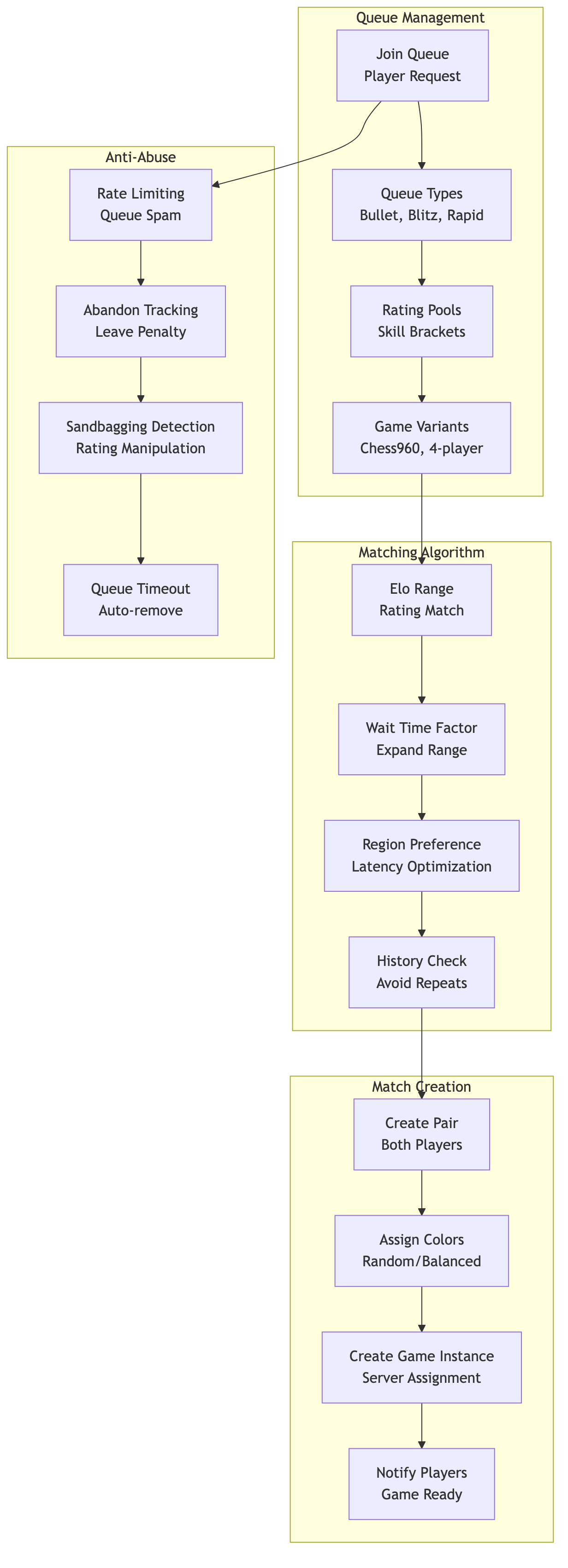
Matchmaking Features:
Rating-based matching (Glicko-2)
Dynamic range expansion based on wait time
Region-aware for latency optimization
Anti-abuse and fair play measures
Rating Deviation
Opponent Rating
Expected Score
Calculate New Rating
Update RD
Update Volatility
Apply Bounds
Blitz Rating
Rapid Rating
Daily Rating
Rating Deviation
Opponent Rating
Expected Score
Calculate New Rating
Update RD
Update Volatility
Apply Bounds
Blitz Rating
Rapid Rating
Daily Rating
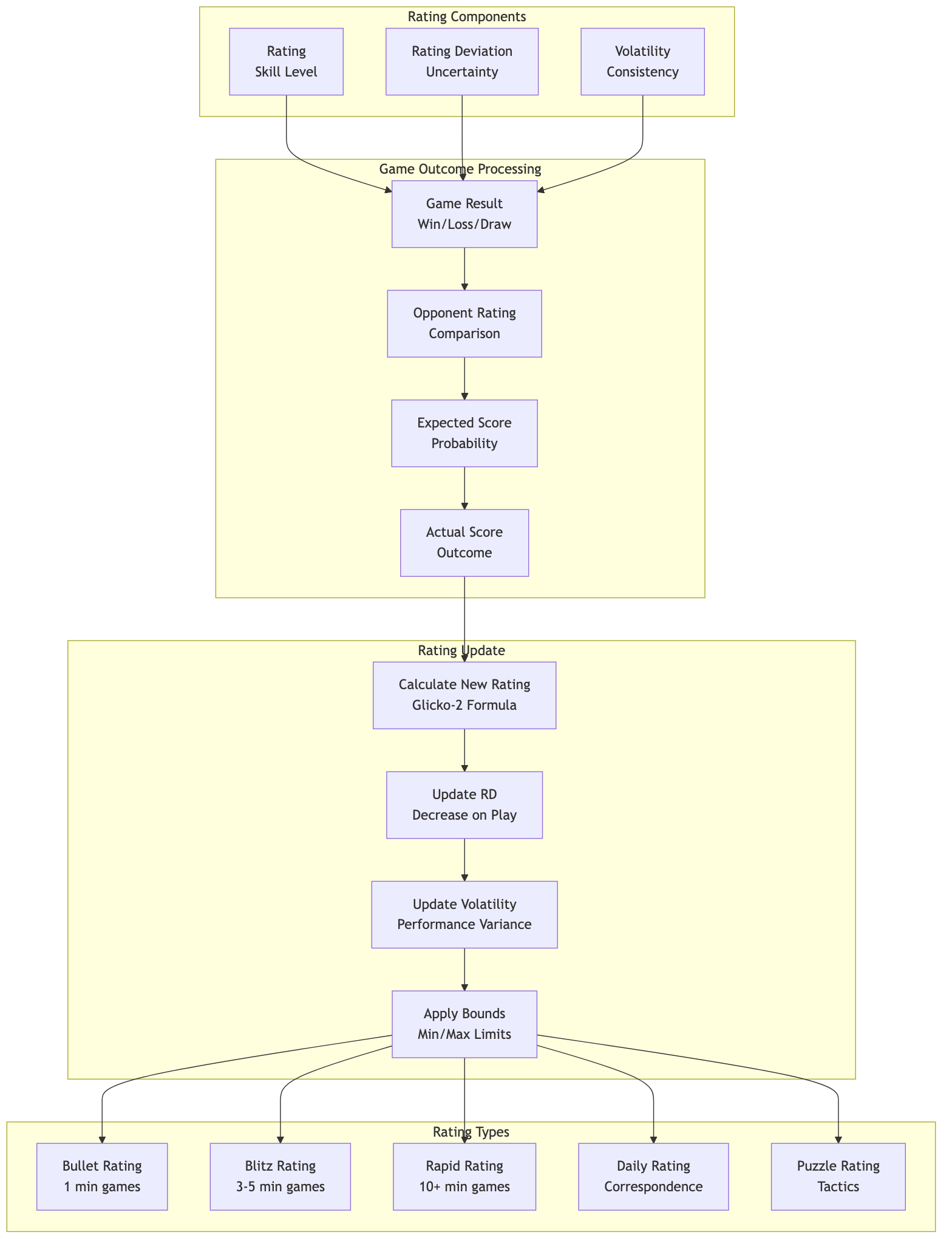
Glicko-2 Algorithm:
More accurate than traditional Elo
Rating deviation decreases with more games
Volatility tracks performance consistency
Separate ratings per time control
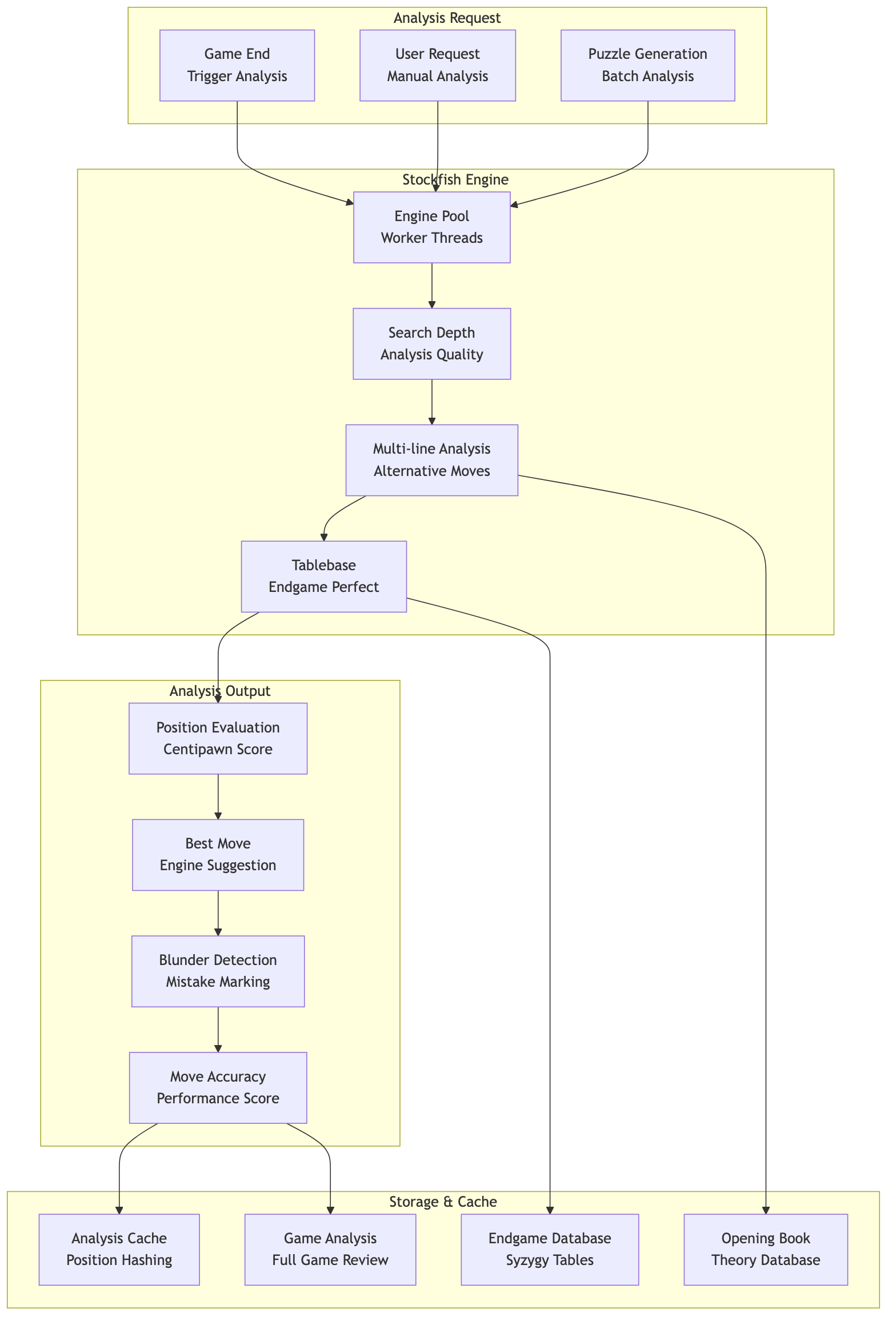
User Request
Puzzle Generation
Engine Pool
Search Depth
Multi-line Analysis
Position Evaluation
Best Move
Blunder Detection
Move Accuracy
Analysis Cache
Game Analysis
Opening Book
Endgame Database
User Request
Puzzle Generation
Engine Pool
Search Depth
Multi-line Analysis
Position Evaluation
Best Move
Blunder Detection
Move Accuracy
Analysis Cache
Game Analysis
Opening Book
Endgame Database
Analysis Features:
Stockfish 16 integration
Cloud-based analysis for premium
Move accuracy calculation
Blunder and mistake detection
Opening and endgame databases
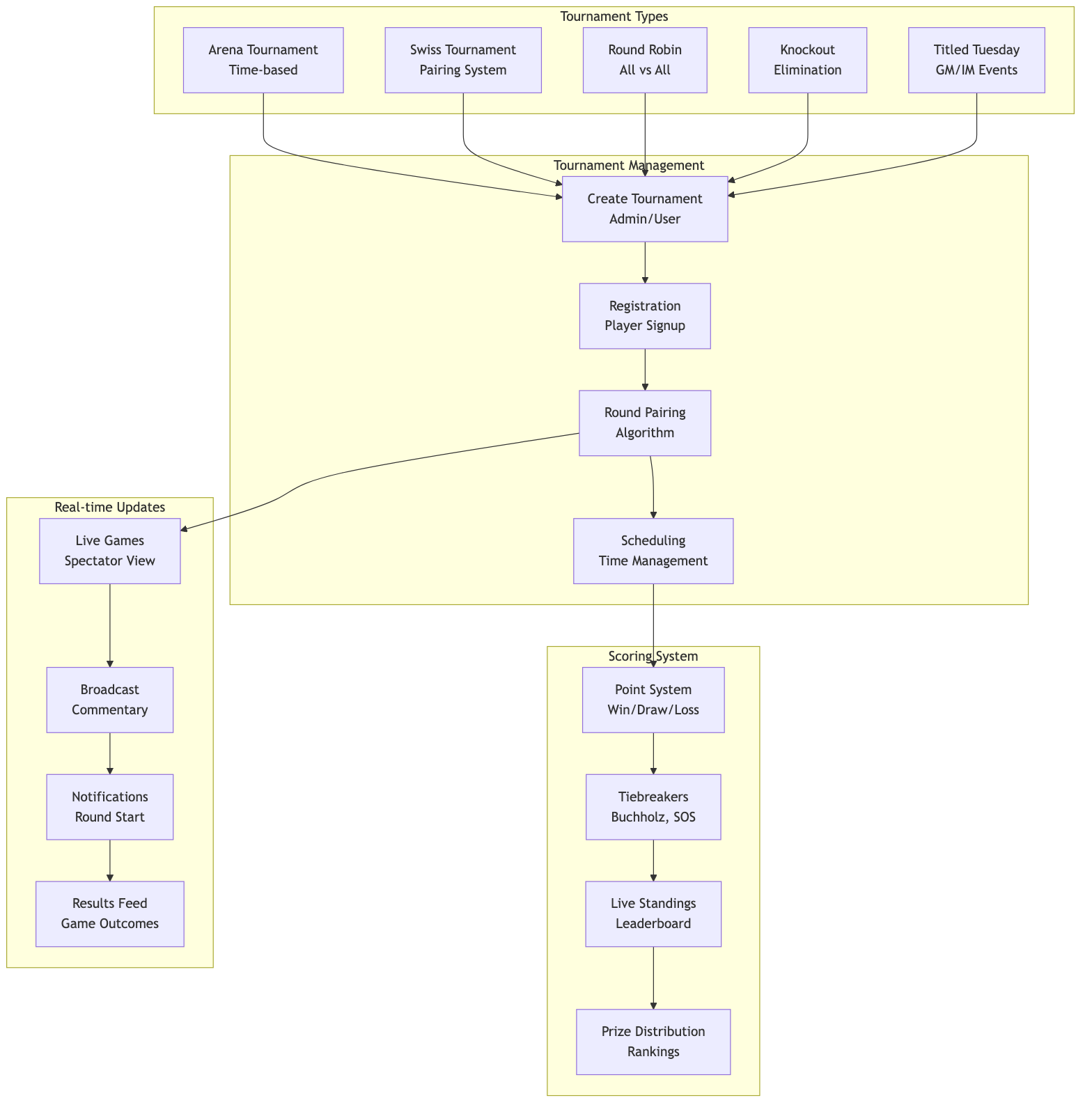
Arena Tournament
Swiss Tournament
Titled Tuesday
Create Tournament
Registration
Scheduling
Point System
Live Standings
Prize Distribution
Results Feed
Arena Tournament
Swiss Tournament
Titled Tuesday
Create Tournament
Registration
Scheduling
Point System
Live Standings
Prize Distribution
Results Feed
Tournament Features:
Multiple tournament formats
Automated pairing algorithms
Live standings and tiebreakers
Prize pool management
Spectator mode with commentary
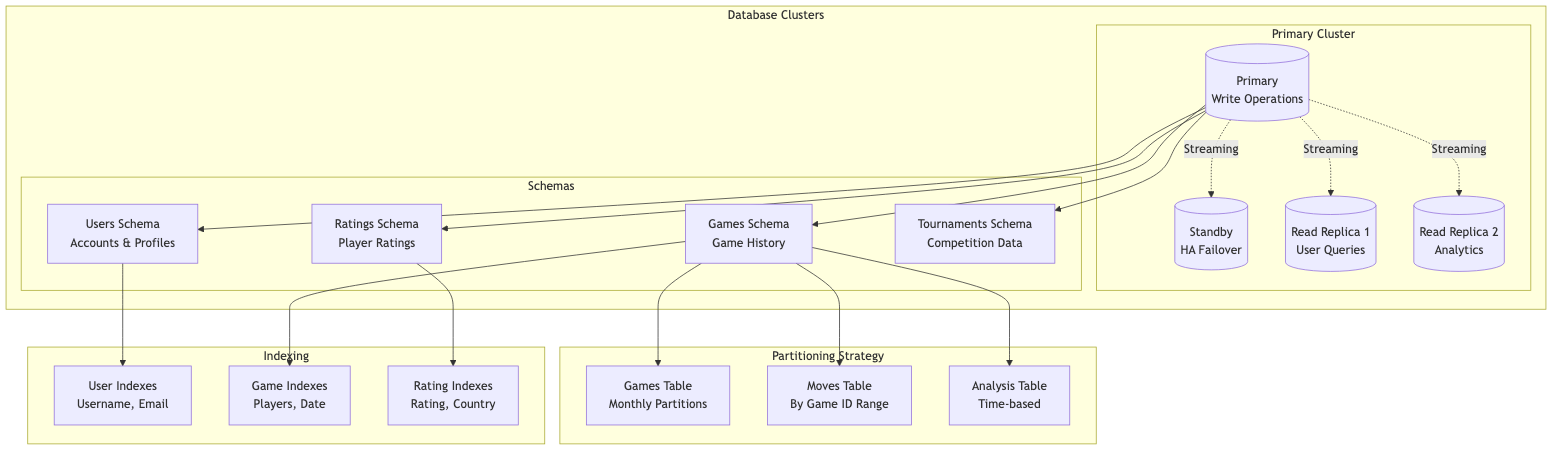
Read Replica 1
Users Schema
Ratings Schema
Tournaments Schema
Games Table
Moves Table
User Indexes
Game Indexes
Rating Indexes
Read Replica 1
Users Schema
Ratings Schema
Tournaments Schema
Games Table
Moves Table
User Indexes
Game Indexes
Rating Indexes
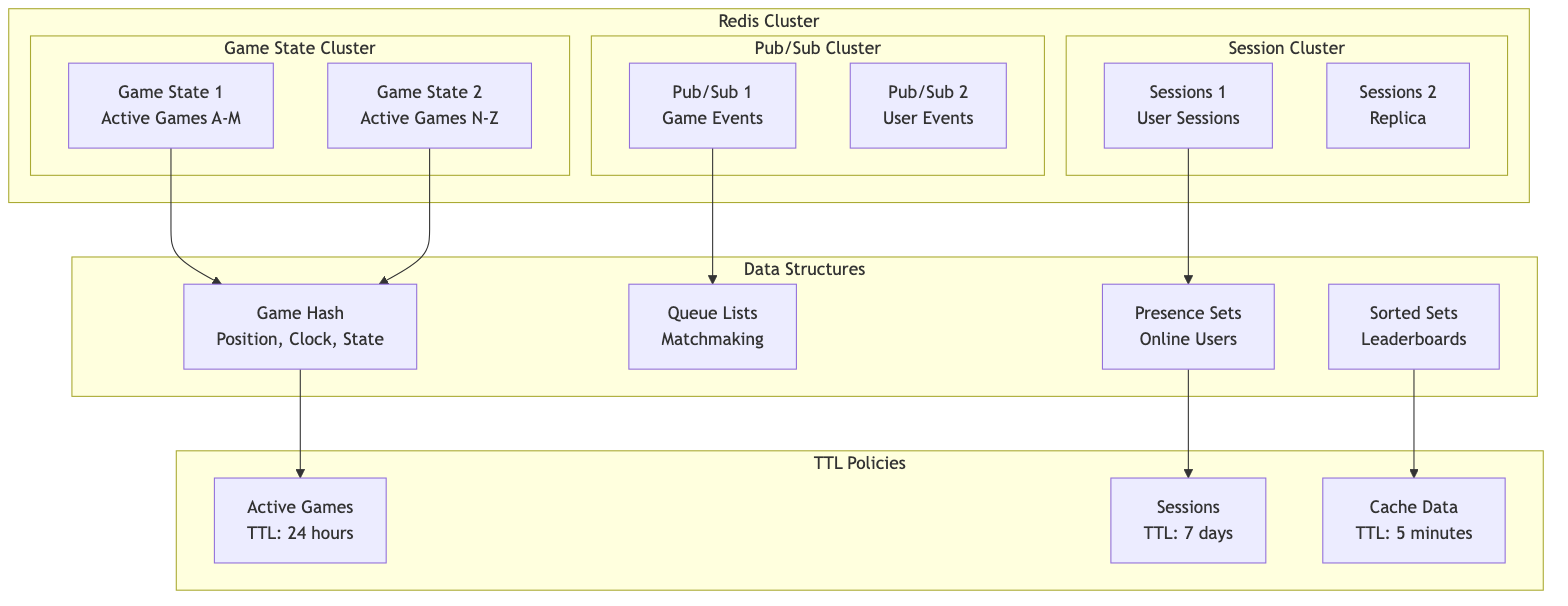
Game State 1
Game State 2
Game Hash
Presence Sets
Active Games
Game State 1
Game State 2
Game Hash
Presence Sets
Active Games
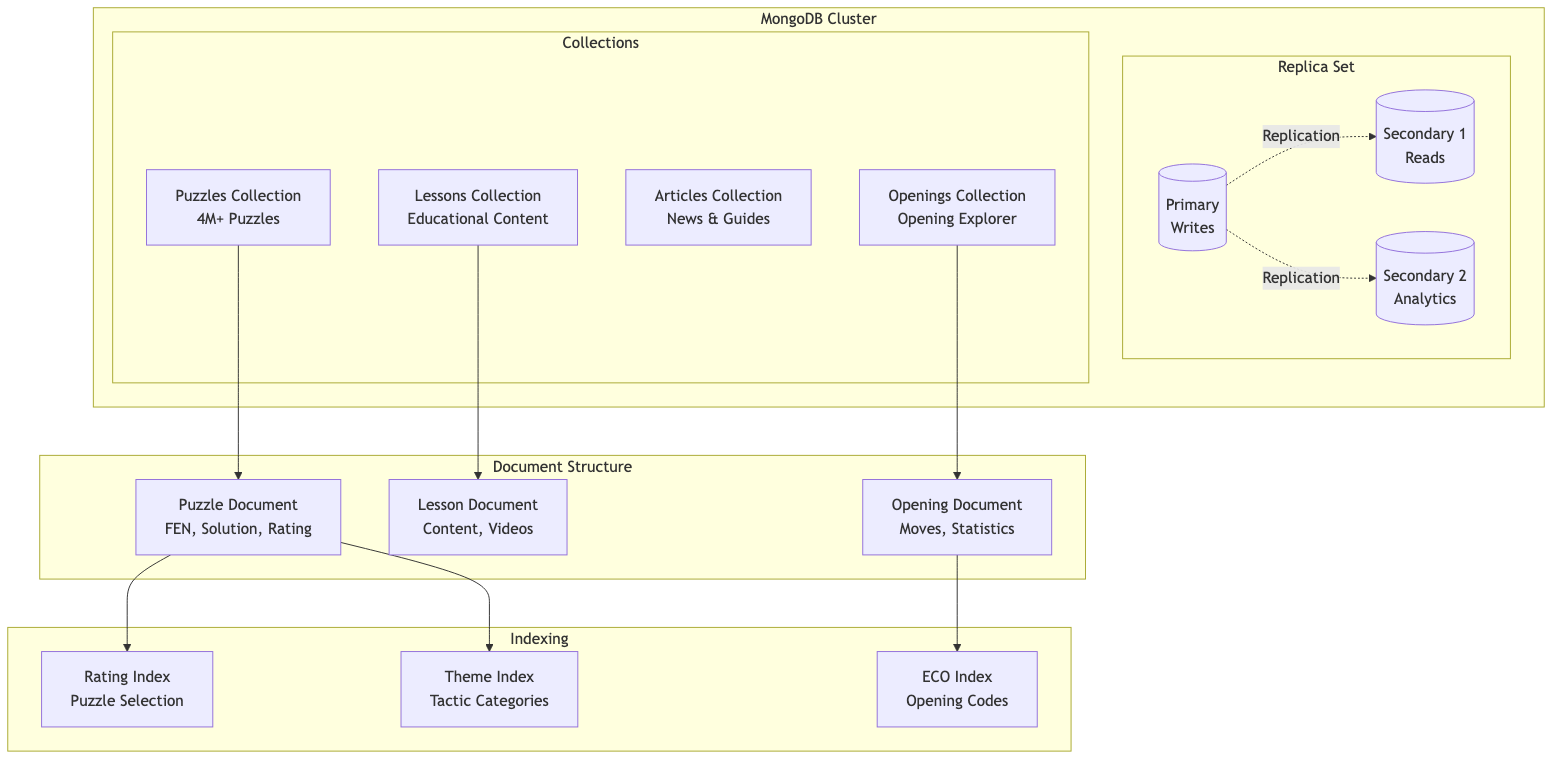
Puzzles Collection
Lessons Collection
Articles Collection
Openings Collection
Puzzle Document
Lesson Document
Opening Document
Rating Index
Theme Index
Puzzles Collection
Lessons Collection
Articles Collection
Openings Collection
Puzzle Document
Lesson Document
Opening Document
Rating Index
Theme Index
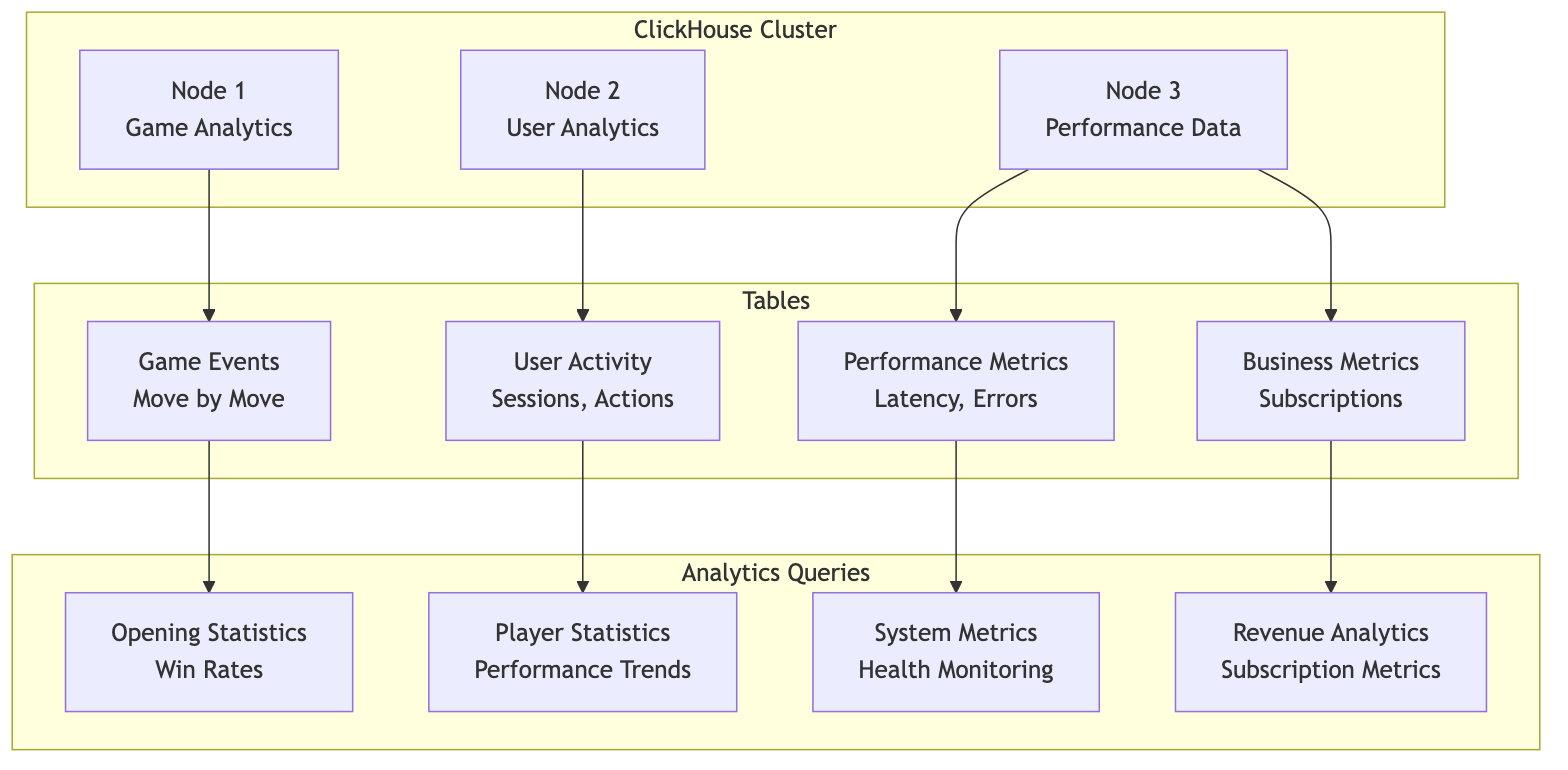
User Activity
Performance Metrics
Business Metrics
Opening Statistics
Player Statistics
System Metrics
Revenue Analytics
User Activity
Performance Metrics
Business Metrics
Opening Statistics
Player Statistics
System Metrics
Revenue Analytics
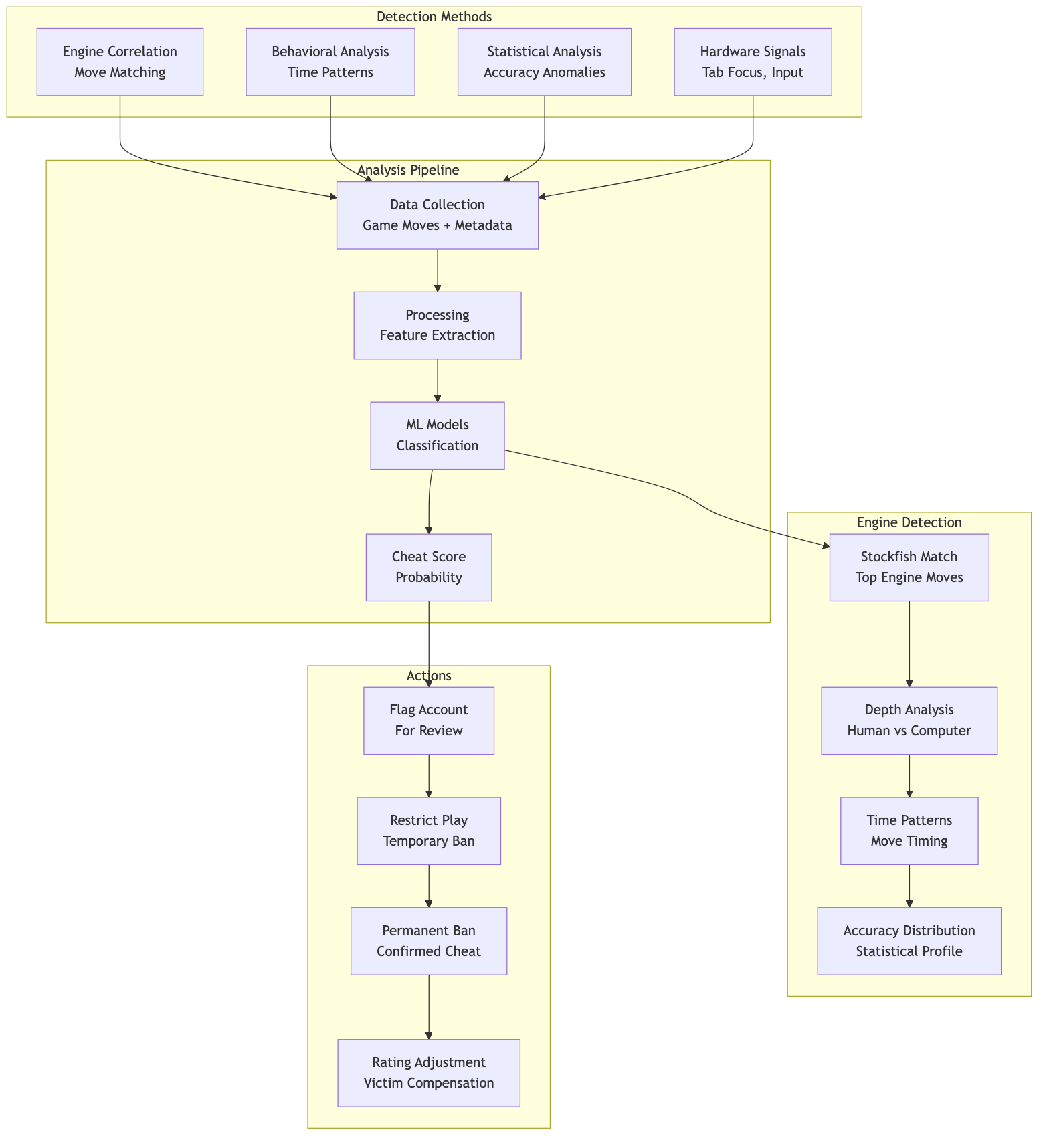
Engine Correlation
Behavioral Analysis
Statistical Analysis
Hardware Signals
Data Collection
Processing
Stockfish Match
Depth Analysis
Accuracy Distribution
Restrict Play
Permanent Ban
Rating Adjustment
Engine Correlation
Behavioral Analysis
Statistical Analysis
Hardware Signals
Data Collection
Processing
Stockfish Match
Depth Analysis
Accuracy Distribution
Restrict Play
Permanent Ban
Rating Adjustment
Anti-Cheat Features:
Real-time move correlation with engines
Behavioral pattern analysis
Statistical anomaly detection
Machine learning classification
Human review for edge cases
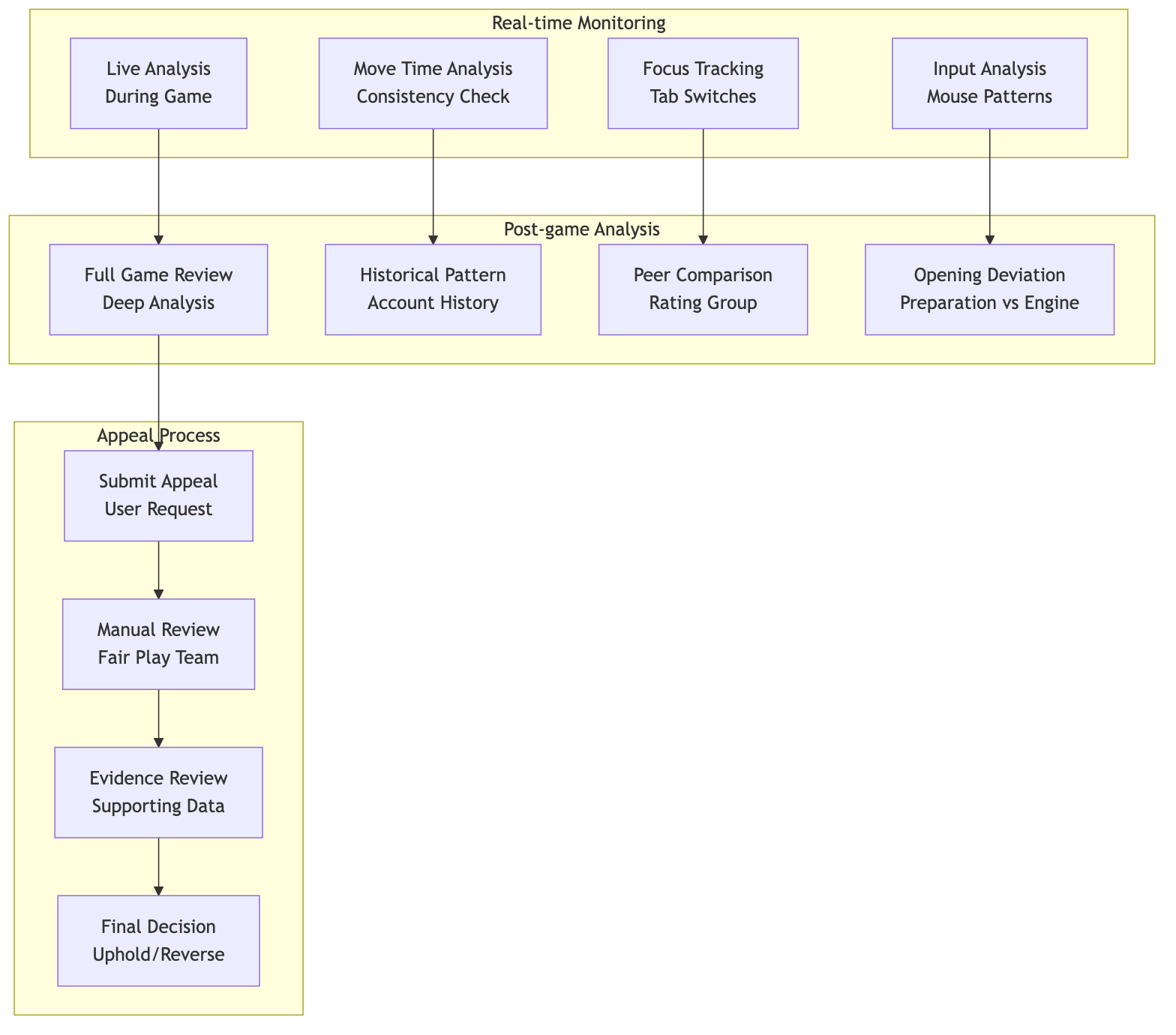
Move Time Analysis
Focus Tracking
Input Analysis
Full Game Review
Historical Pattern
Peer Comparison
Opening Deviation
Submit Appeal
Manual Review
Evidence Review
Final Decision
Move Time Analysis
Focus Tracking
Input Analysis
Full Game Review
Historical Pattern
Peer Comparison
Opening Deviation
Submit Appeal
Manual Review
Evidence Review
Final Decision
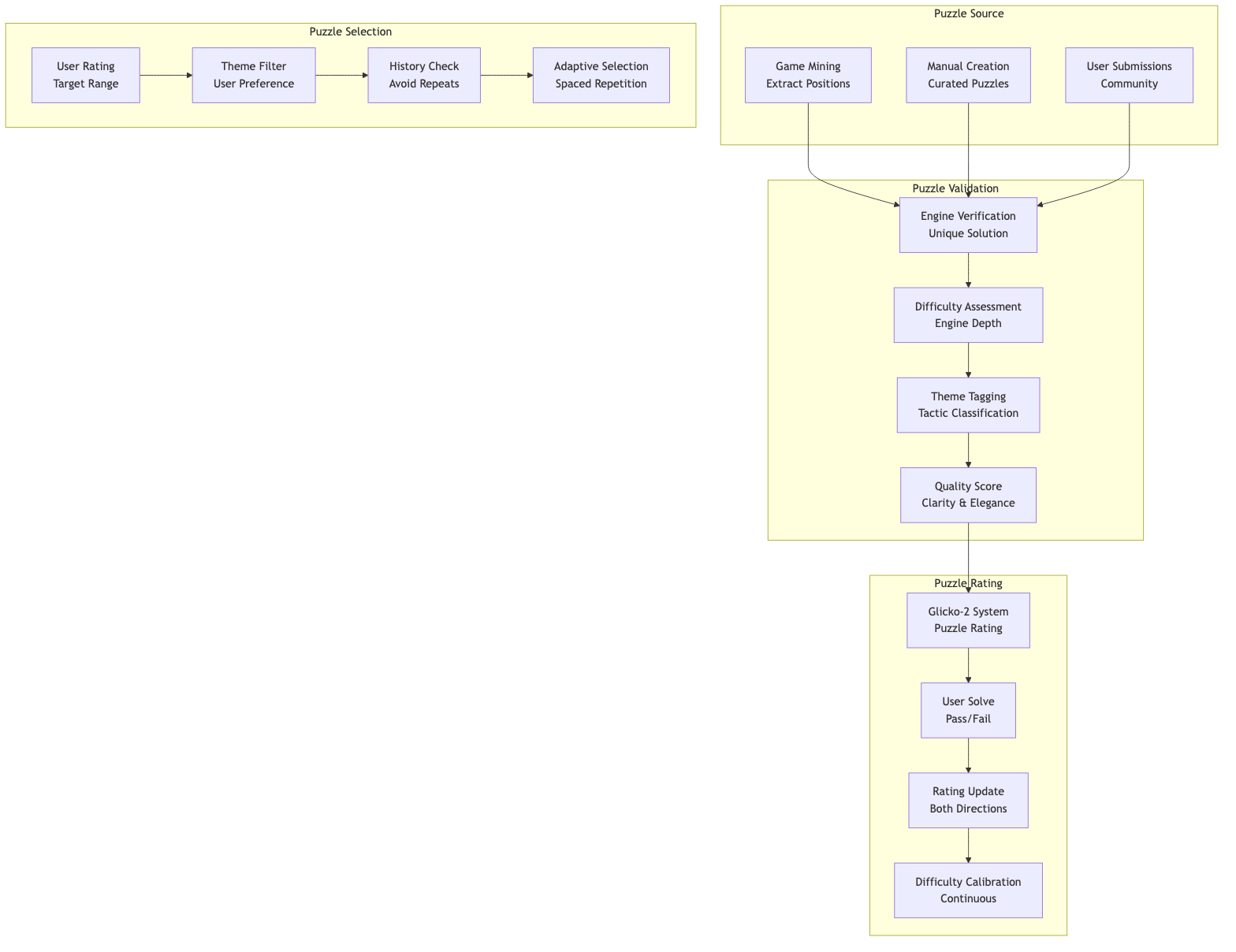
Theme Filter
History Check
Adaptive Selection
Game Mining
Manual Creation
User Submissions
Engine Verification
Difficulty Assessment
Theme Tagging
Quality Score
Glicko-2 System
Rating Update
Difficulty Calibration
Theme Filter
History Check
Adaptive Selection
Game Mining
Manual Creation
User Submissions
Engine Verification
Difficulty Assessment
Theme Tagging
Quality Score
Glicko-2 System
Rating Update
Difficulty Calibration
Puzzle Features:
4+ million rated puzzles
Adaptive difficulty selection
Theme-based training
Spaced repetition for learning
Daily puzzle challenges
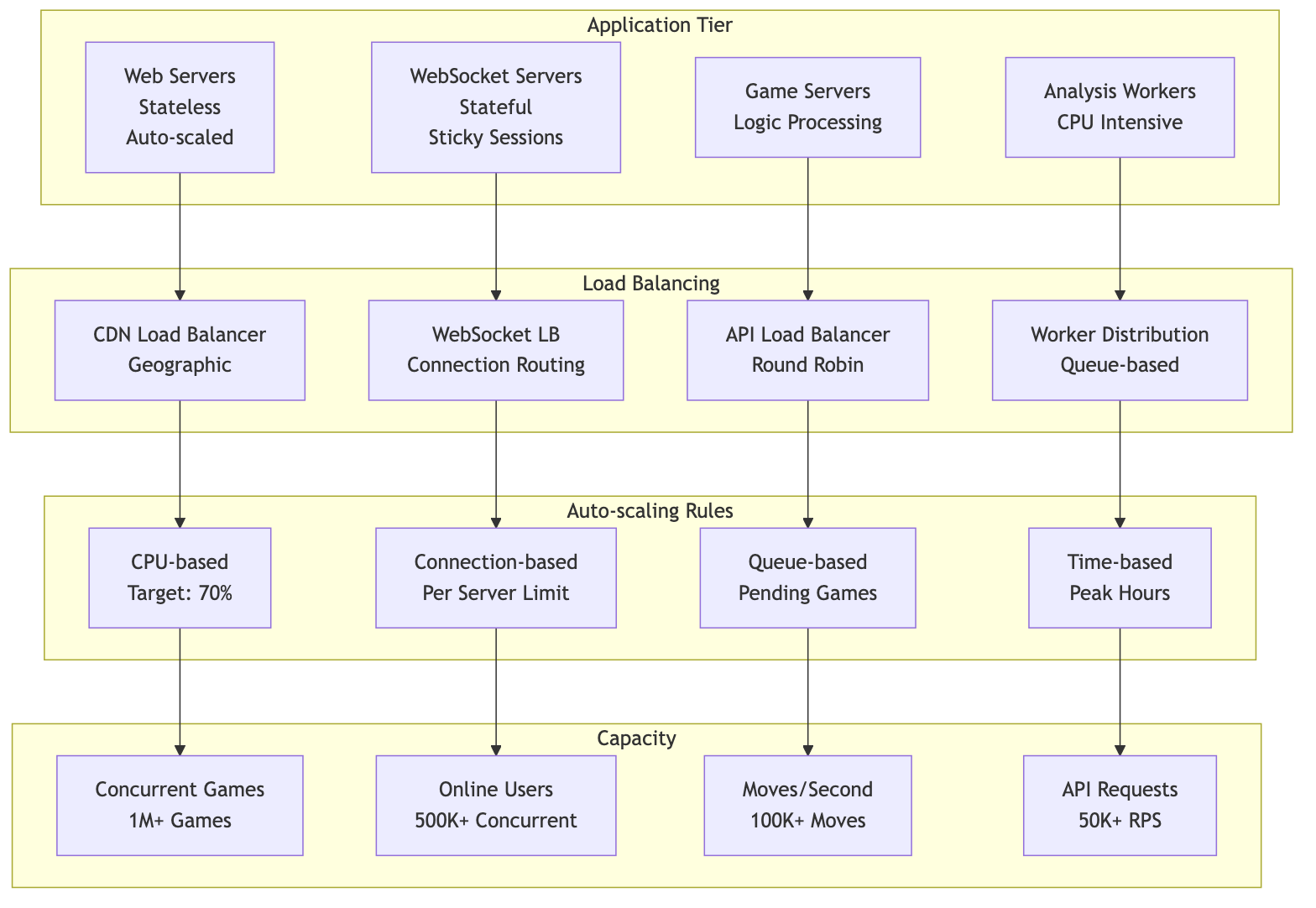
Web Servers
WebSocket Servers
Game Servers
Analysis Workers
CDN Load Balancer
WebSocket LB
API Load Balancer
Worker Distribution
Connection-based
Concurrent Games
Online Users
Web Servers
WebSocket Servers
Game Servers
Analysis Workers
CDN Load Balancer
WebSocket LB
API Load Balancer
Worker Distribution
Connection-based
Concurrent Games
Online Users
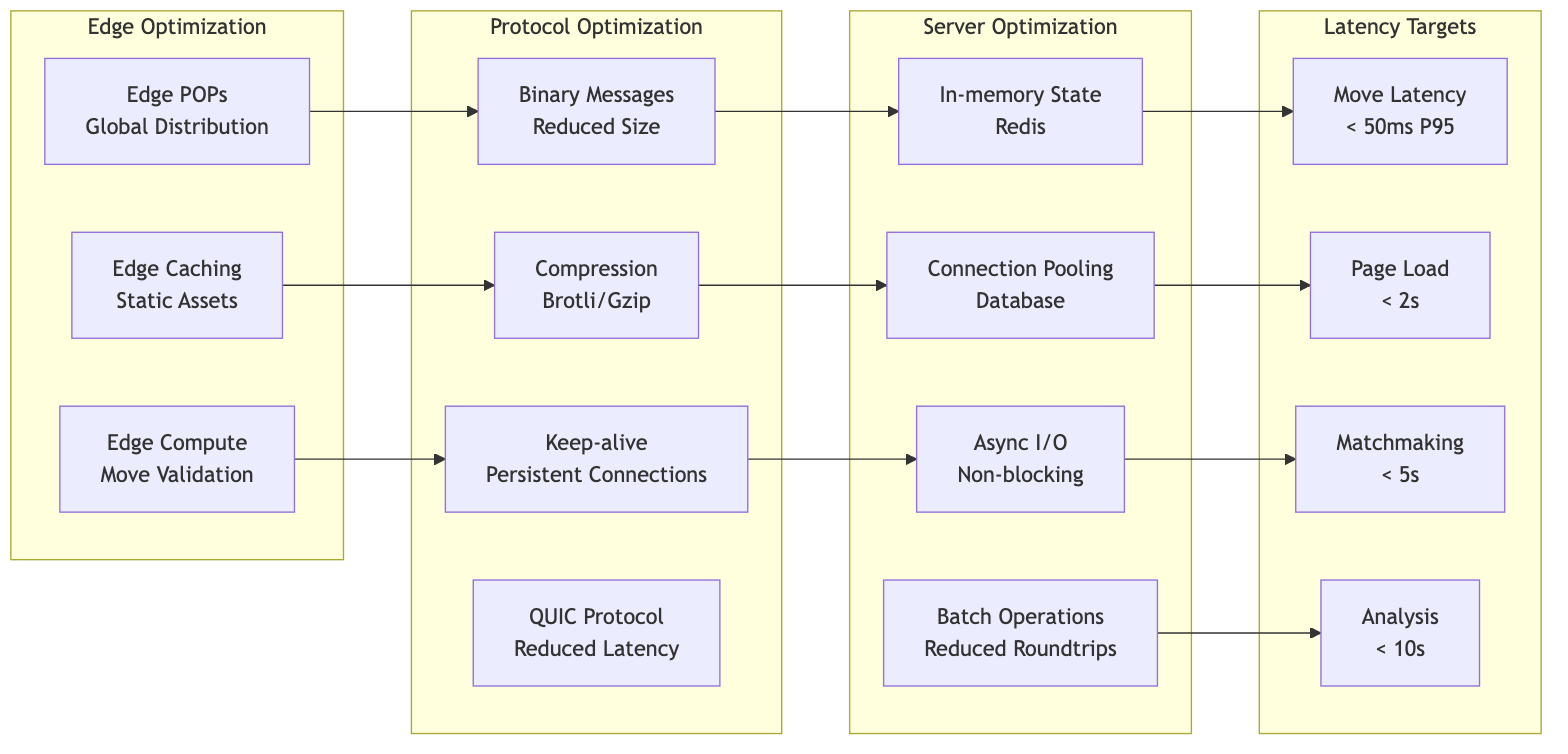
Edge POPs
Edge Caching
Edge Compute
Binary Messages
Keep-alive
QUIC Protocol
Connection Pooling
Batch Operations
Edge POPs
Edge Caching
Edge Compute
Binary Messages
Keep-alive
QUIC Protocol
Connection Pooling
Batch Operations
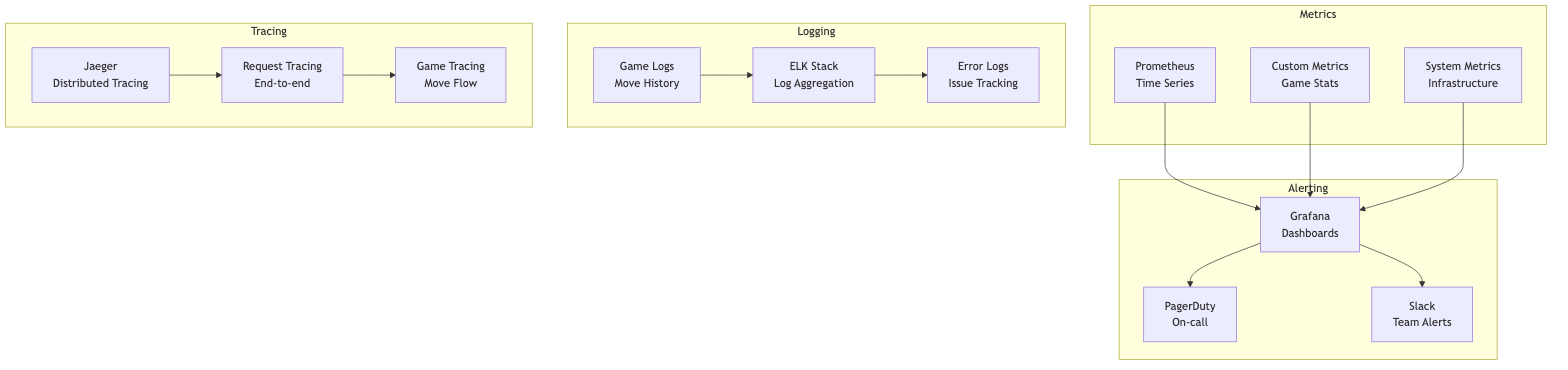
Jaeger
Request Tracing
System Metrics
Jaeger
Request Tracing
System Metrics
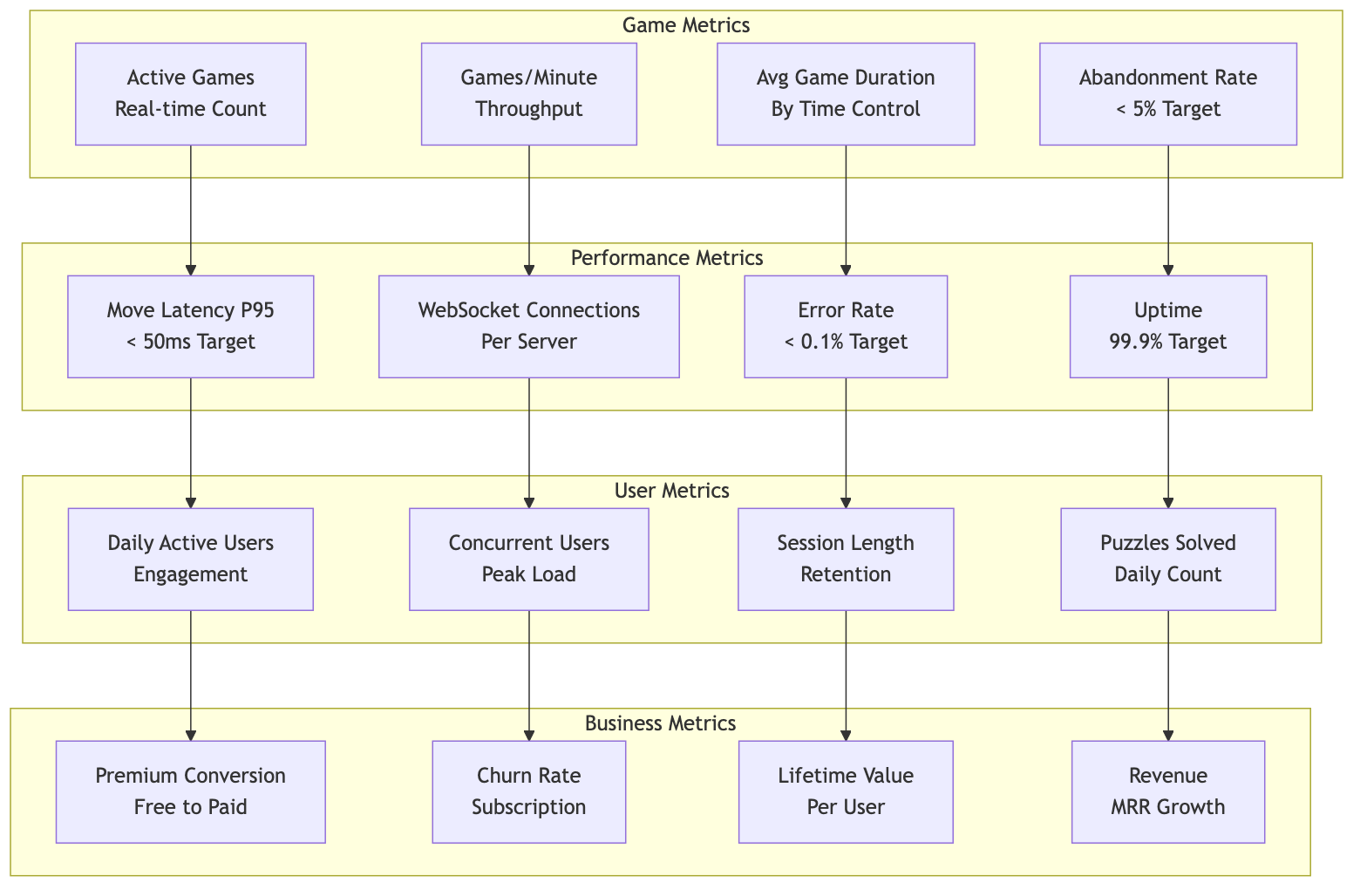
Active Games
Avg Game Duration
Abandonment Rate
Move Latency P95
WebSocket Connections
Daily Active Users
Concurrent Users
Puzzles Solved
Premium Conversion
Active Games
Avg Game Duration
Abandonment Rate
Move Latency P95
WebSocket Connections
Daily Active Users
Concurrent Users
Puzzles Solved
Premium Conversion
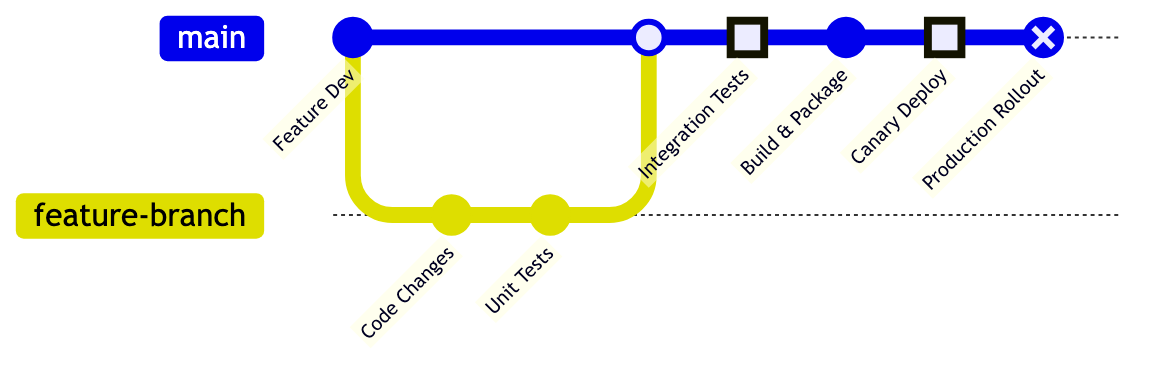
main feature-branch Feature Dev Code Changes Unit Tests Integration Tests Build & Package Canary Deploy Production Rollout main feature-branch Feature Dev Code Changes Unit Tests Integration Tests Build & Package Canary Deploy Production Rollout
Build & Test
Docker Image
Canary Deployment
Monitor Metrics
Progressive Rollout
Build & Test
Docker Image
Canary Deployment
Monitor Metrics
Progressive Rollout
Kubernetes : Container orchestrationCanary releases : Traffic percentage splittingFeature flags : Gradual feature rolloutAutomated rollback : Error-rate triggered
Terraform : Infrastructure provisioningHelm charts : Kubernetes deploymentsGitOps : Configuration as code
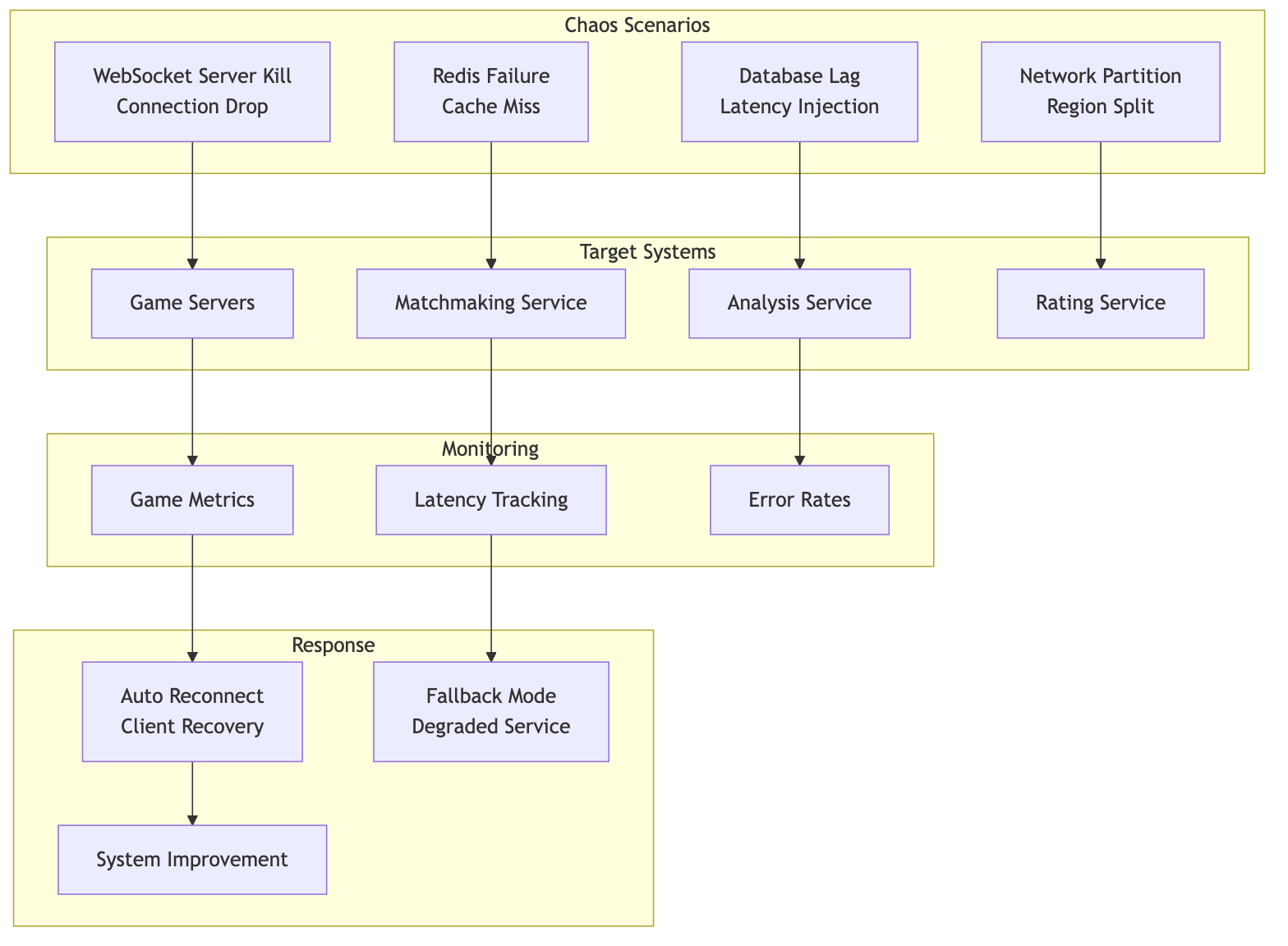
WebSocket Server Kill
Database Lag
Network Partition
Auto Reconnect
Fallback Mode
WebSocket Server Kill
Database Lag
Network Partition
Auto Reconnect
Fallback Mode
Connection resilience testing : WebSocket failure scenariosCache failure drills : Redis cluster issuesLoad testing : Tournament peak trafficRecovery validation : Reconnection flows
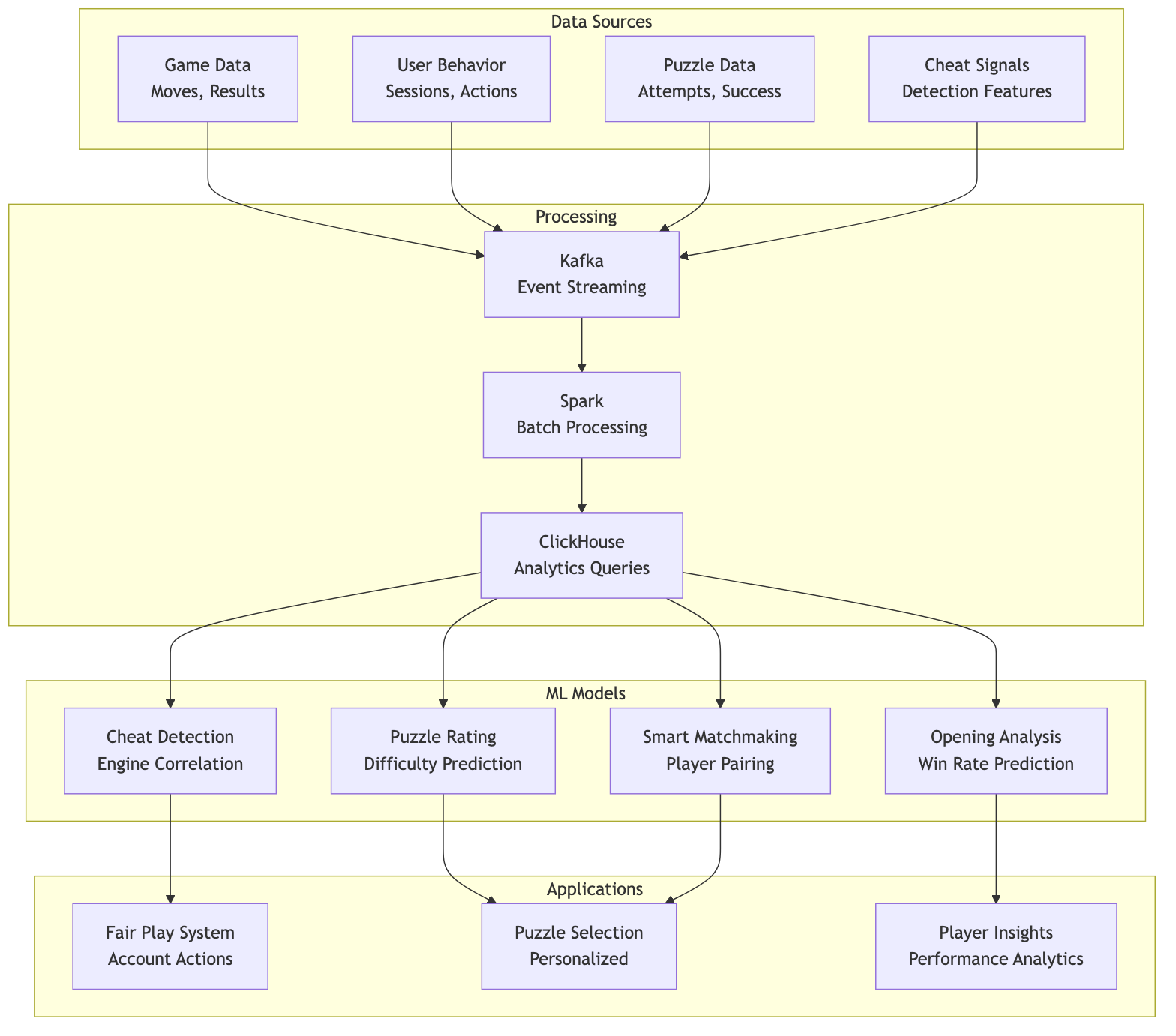
User Behavior
Puzzle Data
Cheat Signals
ClickHouse
Cheat Detection
Puzzle Rating
Smart Matchmaking
Opening Analysis
Fair Play System
Puzzle Selection
Player Insights
User Behavior
Puzzle Data
Cheat Signals
ClickHouse
Cheat Detection
Puzzle Rating
Smart Matchmaking
Opening Analysis
Fair Play System
Puzzle Selection
Player Insights
Cheat detection : Engine correlation analysisPuzzle difficulty : Rating calibrationOpening explorer : Move popularity and win ratesPlayer insights : Performance patternsMatchmaking optimization : Queue time vs rating match
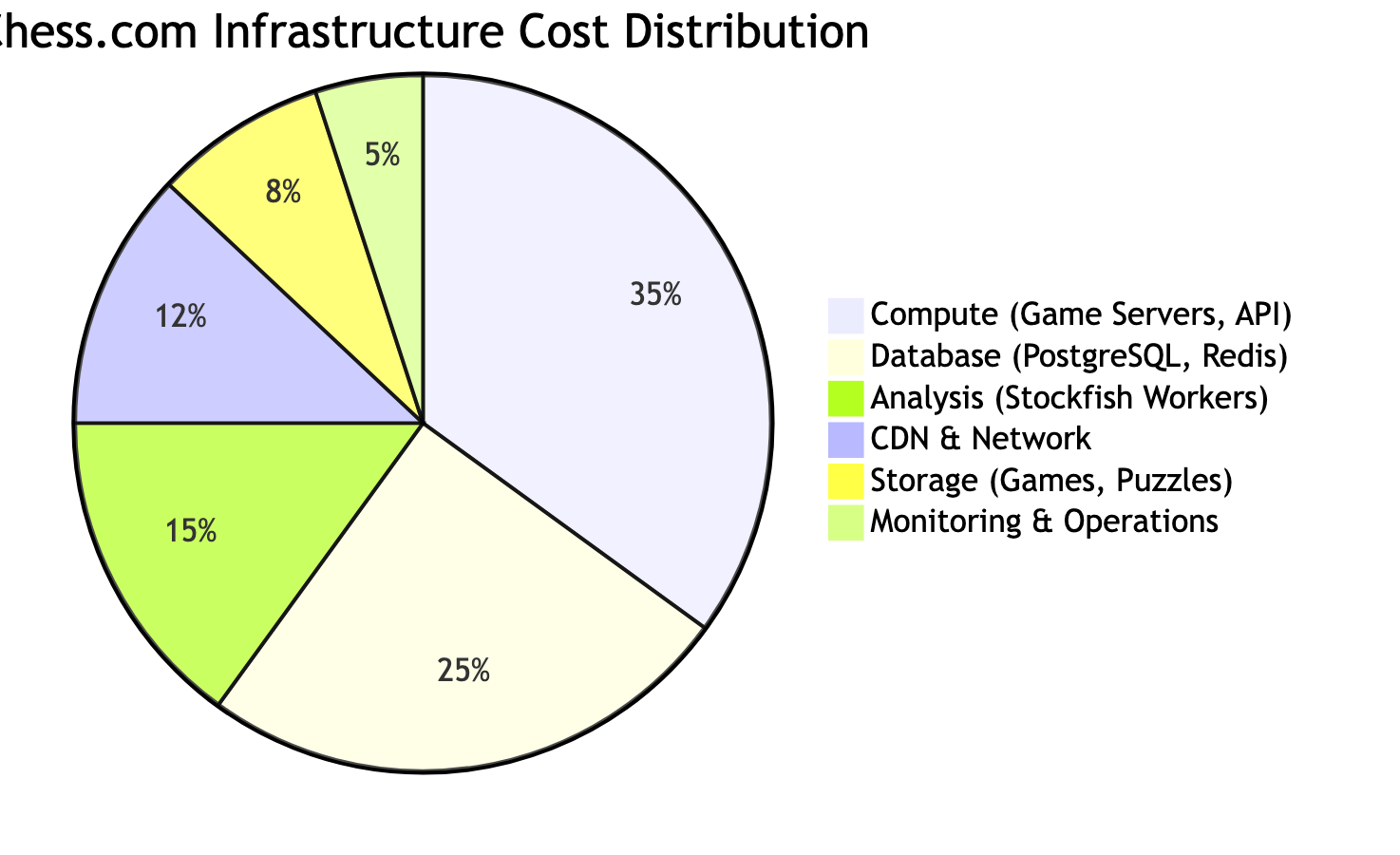
35% 25% 15% 12% 8% 5% Chess.com Infrastructure Cost Distribution Compute (Game Servers, API) Database (PostgreSQL, Redis) Analysis (Stockfish Workers) CDN & Network Storage (Games, Puzzles) Monitoring & Operations 35% 25% 15% 12% 8% 5% Chess.com Infrastructure Cost Distribution Compute (Game Servers, API) Database (PostgreSQL, Redis) Analysis (Stockfish Workers) CDN & Network Storage (Games, Puzzles) Monitoring & Operations
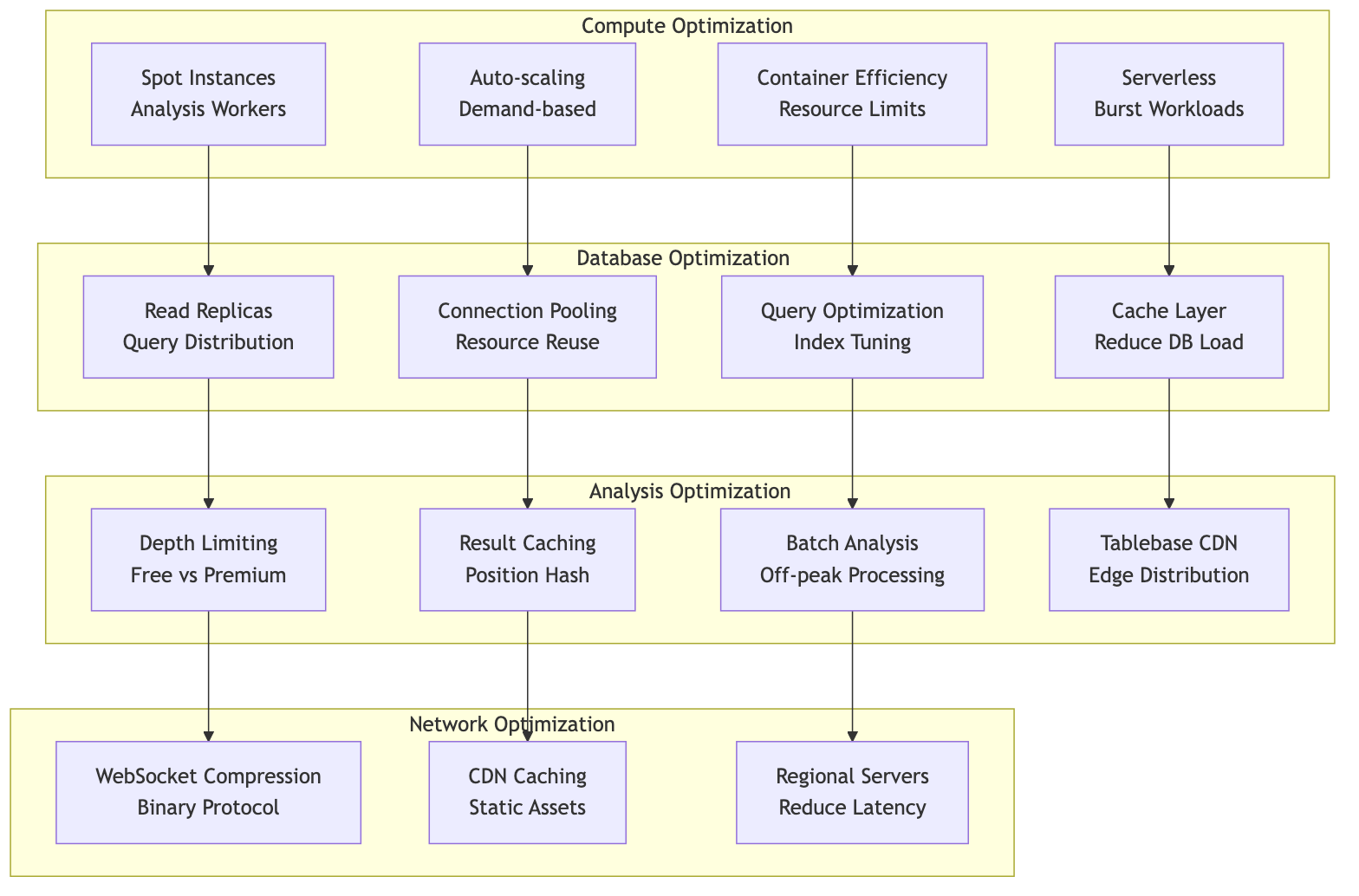
Spot Instances
Container Efficiency
Serverless
Read Replicas
Connection Pooling
Query Optimization
Cache Layer
Depth Limiting
Result Caching
Batch Analysis
Tablebase CDN
WebSocket Compression
Regional Servers
Spot Instances
Container Efficiency
Serverless
Read Replicas
Connection Pooling
Query Optimization
Cache Layer
Depth Limiting
Result Caching
Batch Analysis
Tablebase CDN
WebSocket Compression
Regional Servers
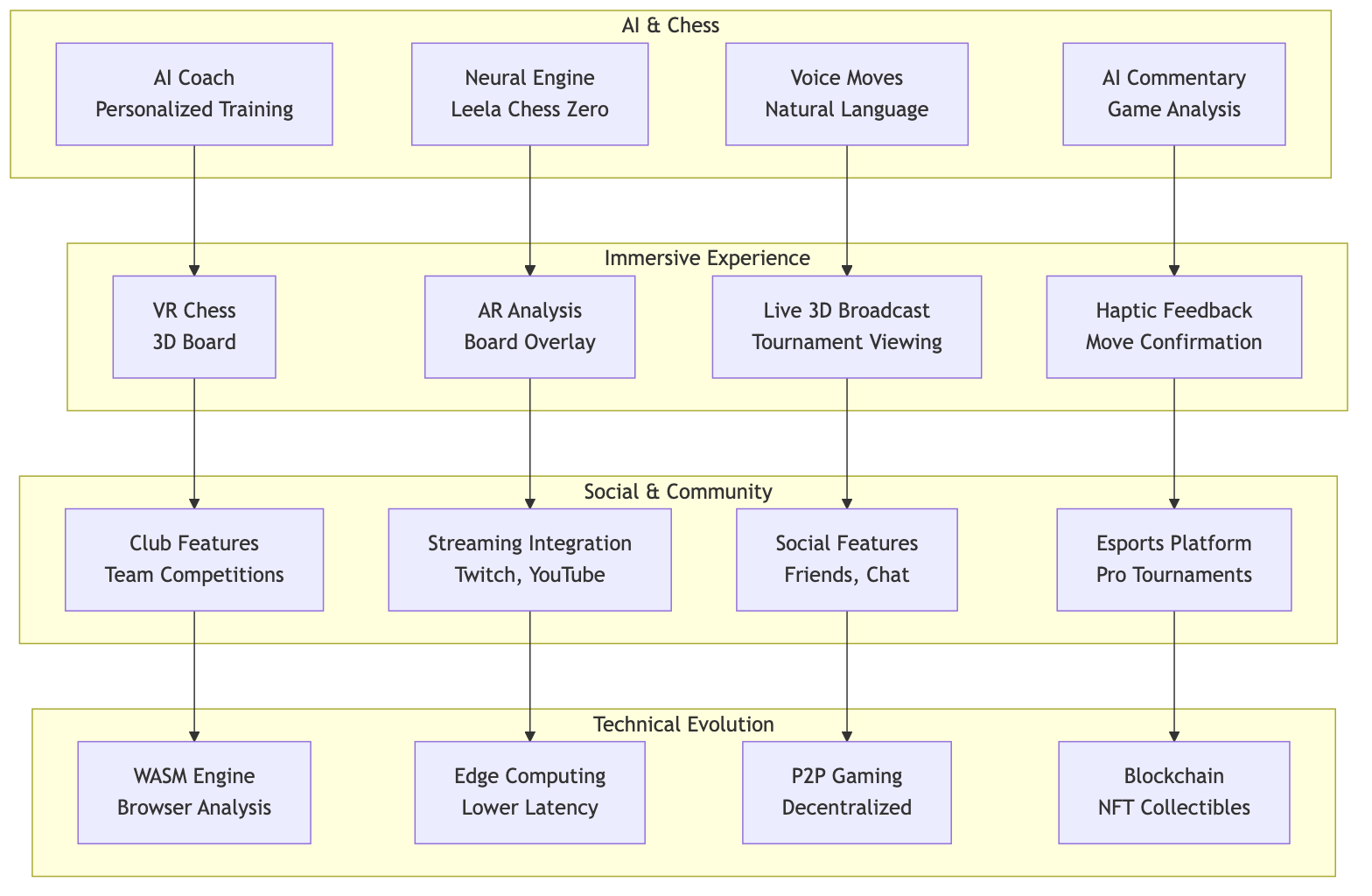
AI Coach
Neural Engine
Voice Moves
Live 3D Broadcast
Haptic Feedback
Club Features
Streaming Integration
Social Features
Esports Platform
WASM Engine
Edge Computing
Blockchain
AI Coach
Neural Engine
Voice Moves
Live 3D Broadcast
Haptic Feedback
Club Features
Streaming Integration
Social Features
Esports Platform
WASM Engine
Edge Computing
Blockchain
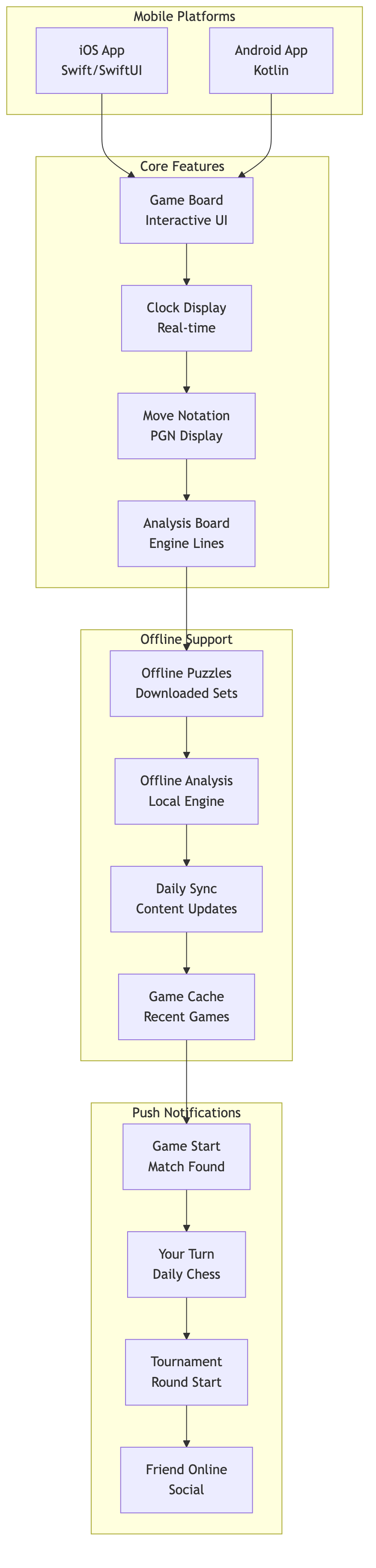
Analysis Board
Offline Puzzles
Offline Analysis
Daily Sync
Analysis Board
Offline Puzzles
Offline Analysis
Daily Sync
Chess.com's architecture demonstrates expertise in building real-time, low-latency gaming platforms at massive scale. The system successfully manages:
Real-time Gaming : Sub-100ms move latency for millions of concurrent gamesScalable Infrastructure : Horizontal scaling for peak trafficFair Play : Sophisticated anti-cheat detection systemsRich Features : Analysis, puzzles, tournaments, and lessonsGlobal Reach : Low-latency access worldwide
Real-time First
WebSocket-based communication
In-memory game state with Redis
Edge computing for latency reduction
Scalability
Stateless application servers
Consistent hashing for session affinity
Auto-scaling based on demand
Data Integrity
Glicko-2 rating system
Comprehensive game history
Immutable move logs
User Experience
Adaptive matchmaking
Personalized puzzle selection
Cross-platform synchronization
Fair Play
Multi-layered cheat detection
Real-time and post-game analysis
Human review for appeals
The platform continues to evolve with new features like improved AI opponents, enhanced analysis tools, and expanded educational content, maintaining its position as the world's largest online chess platform.
This architecture represents Chess.com's known systems and best practices. Actual implementation details may vary.
 Masst Docs