 Masst Docs
Slack
🏗️ Slack serves 20+ million daily active users across 750,000+ organizations, delivering billions of messages daily with real-time presence and sub-100ms message delivery. This document outlines the comprehensive architecture that powers enterprise team communication at scale.
High-Level Architecture
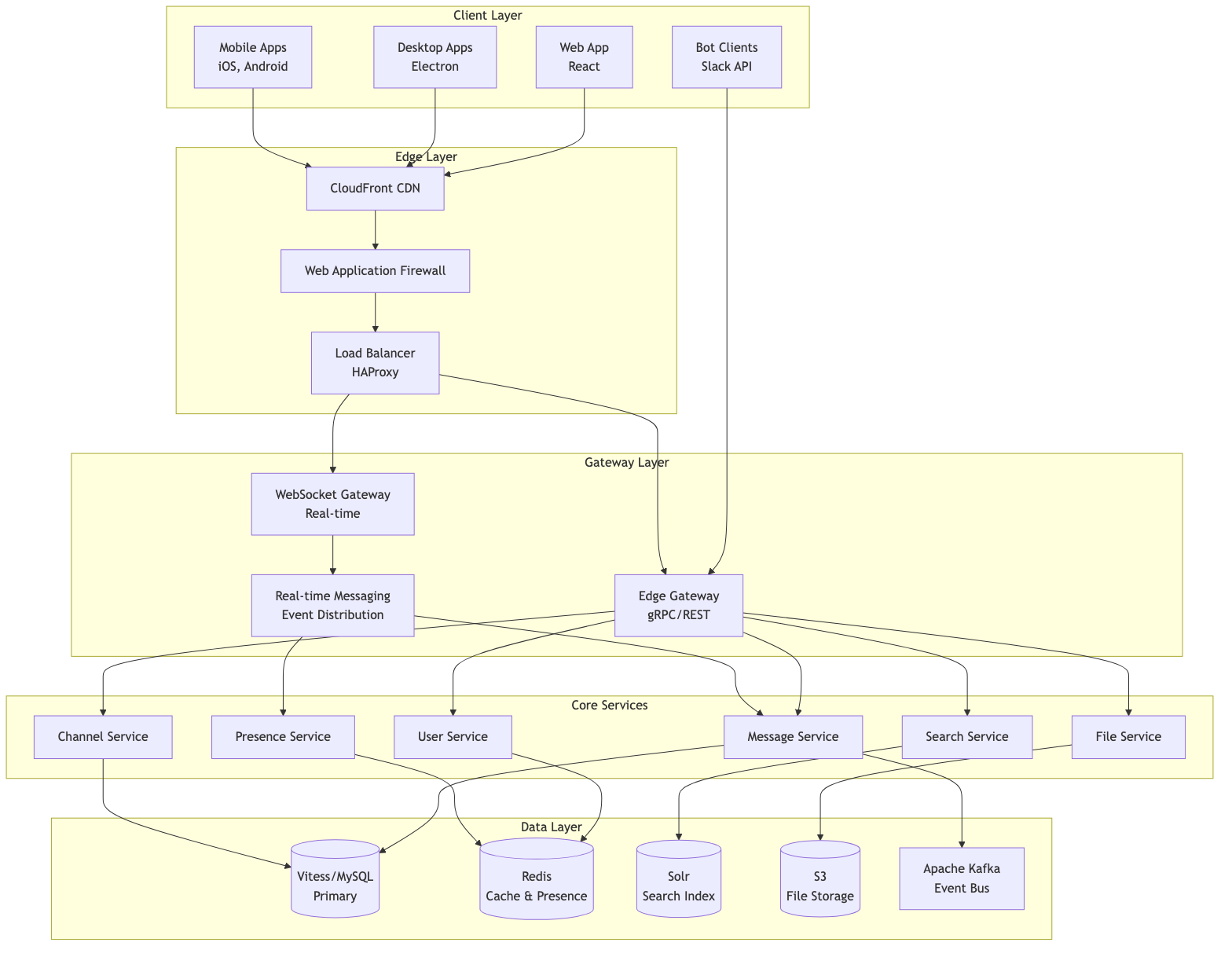
Core Components
1. Real-time Message Delivery
Slack's core real-time messaging system delivers billions of messages daily.
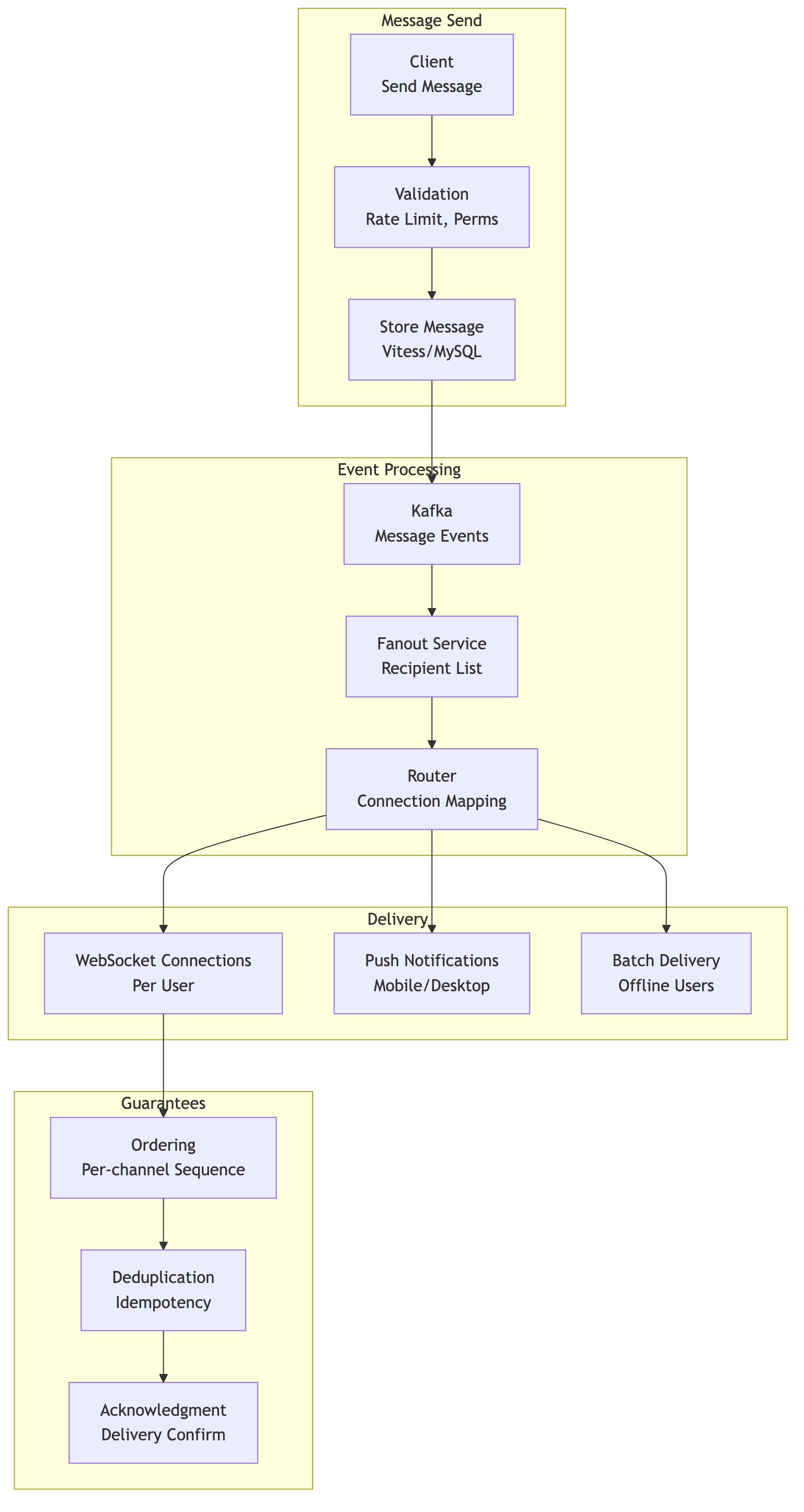
Real-time Features:
- Sub-100ms Delivery: P99 message latency
- WebSocket Connections: Persistent bi-directional channels
- Ordered Delivery: Consistent message ordering per channel
- Reconnection Handling: Seamless recovery from disconnects
2. WebSocket Gateway
Manages millions of concurrent connections.
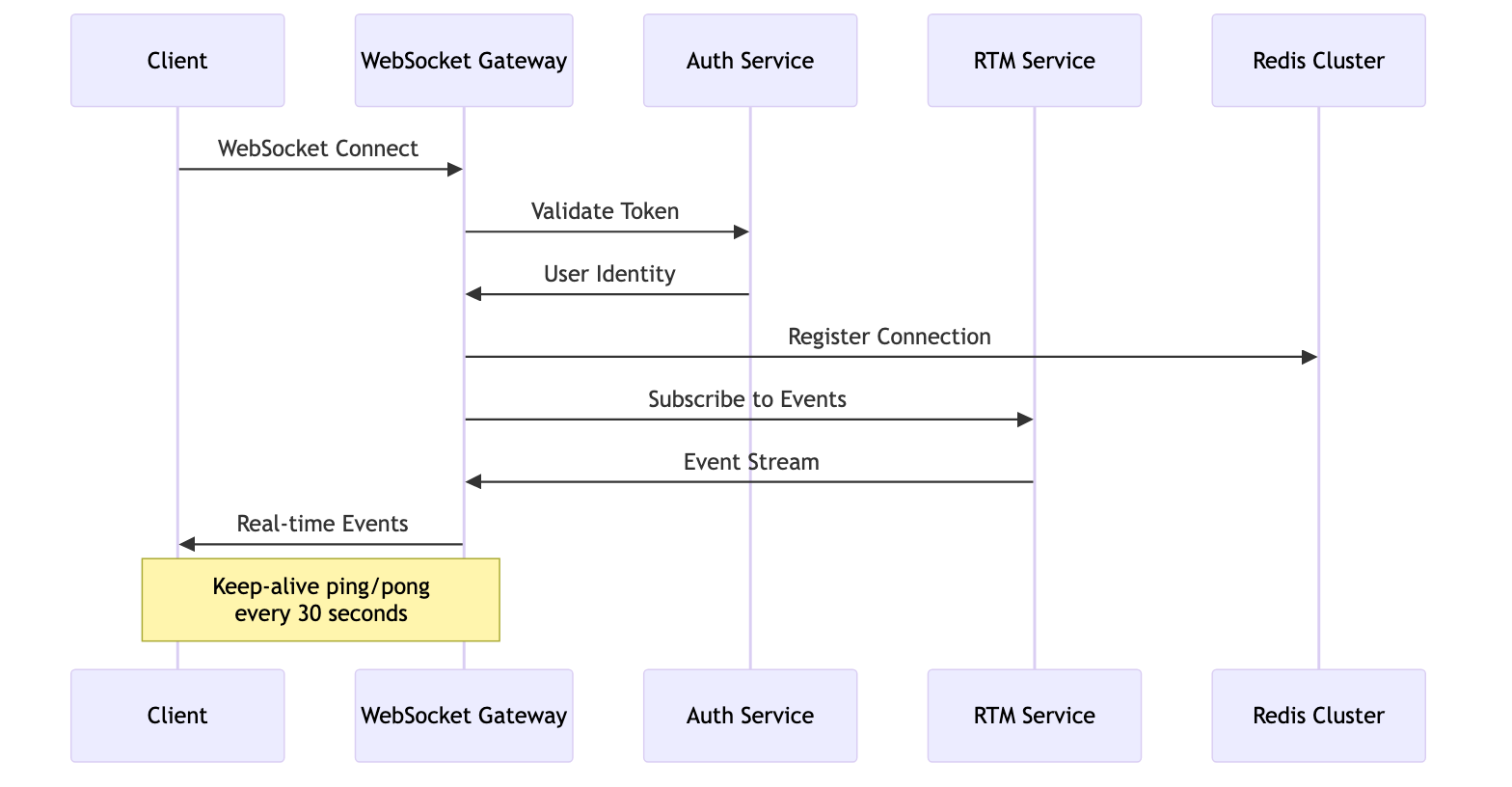
Gateway Architecture:
- Connection Management: 500K+ connections per server
- Protocol: WebSocket with custom binary protocol
- Heartbeat: Keep-alive for connection health
- Graceful Degradation: Fallback to long-polling
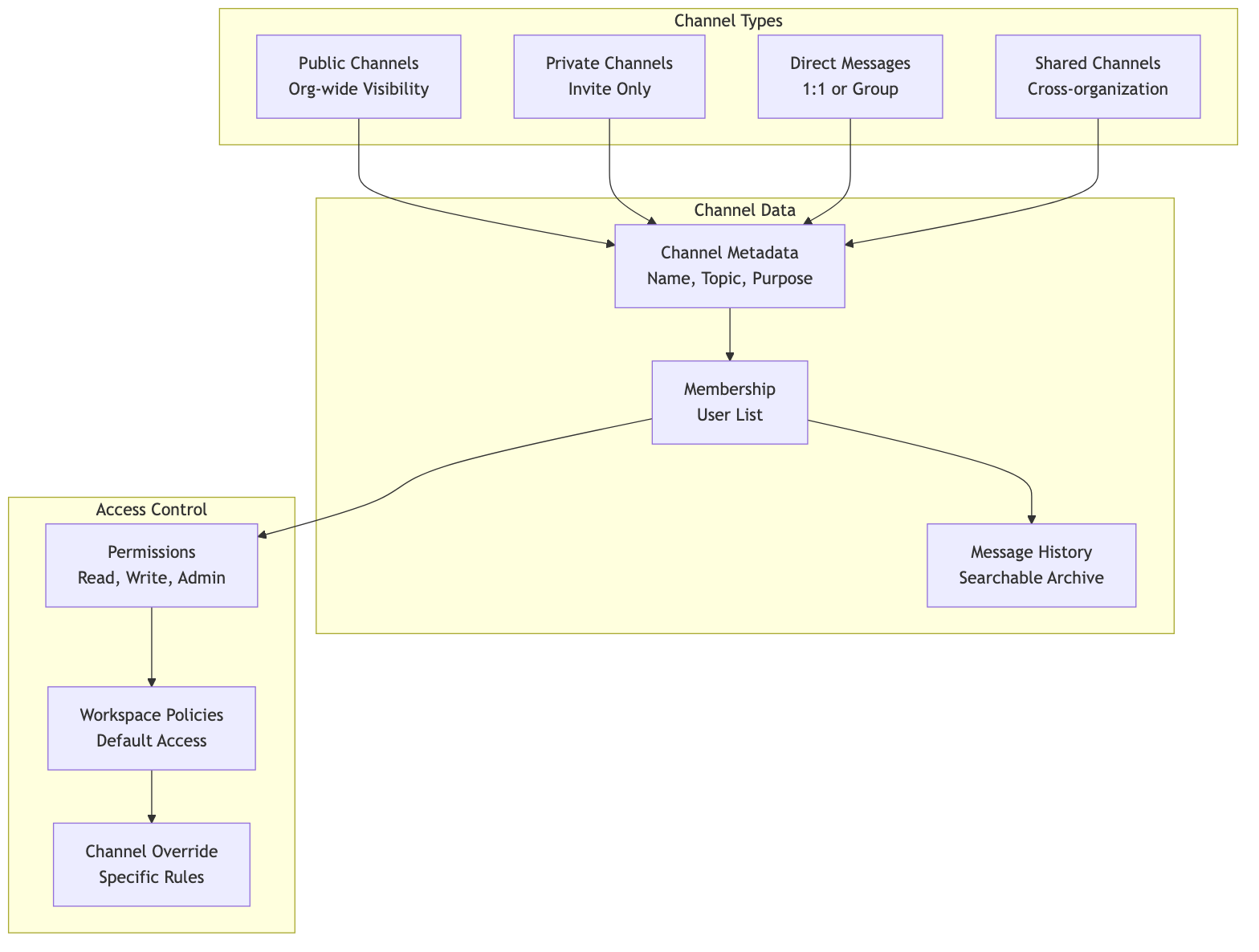
3. Channel Architecture
Supports channels with 10K+ members efficiently.
4. Presence System
Real-time user status across the platform.
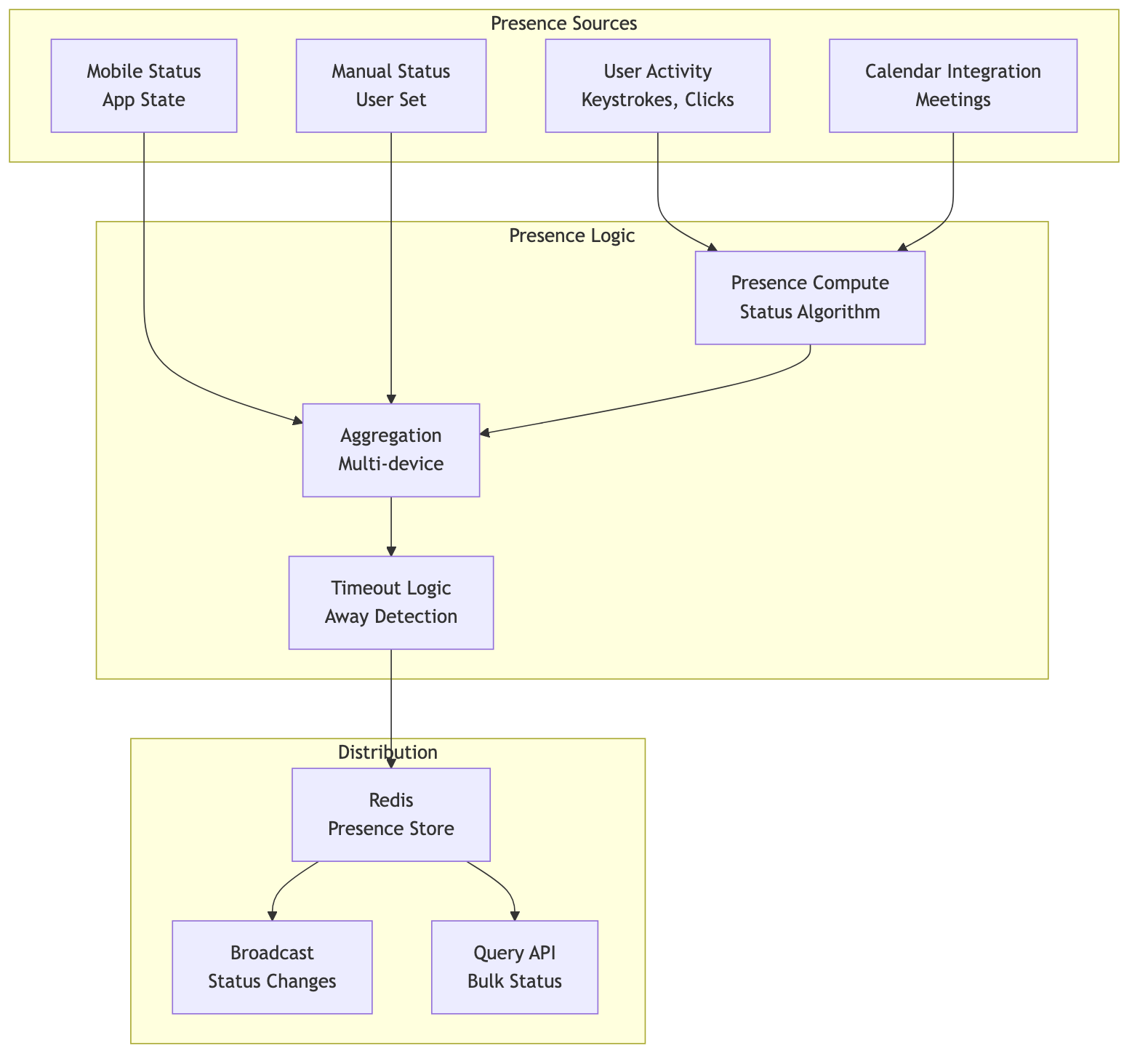
Presence Features:
- Real-time Updates: Instant status propagation
- Multi-device: Aggregate presence across devices
- Custom Status: Emoji and text status
- DND Mode: Notification suppression
Data Storage Architecture
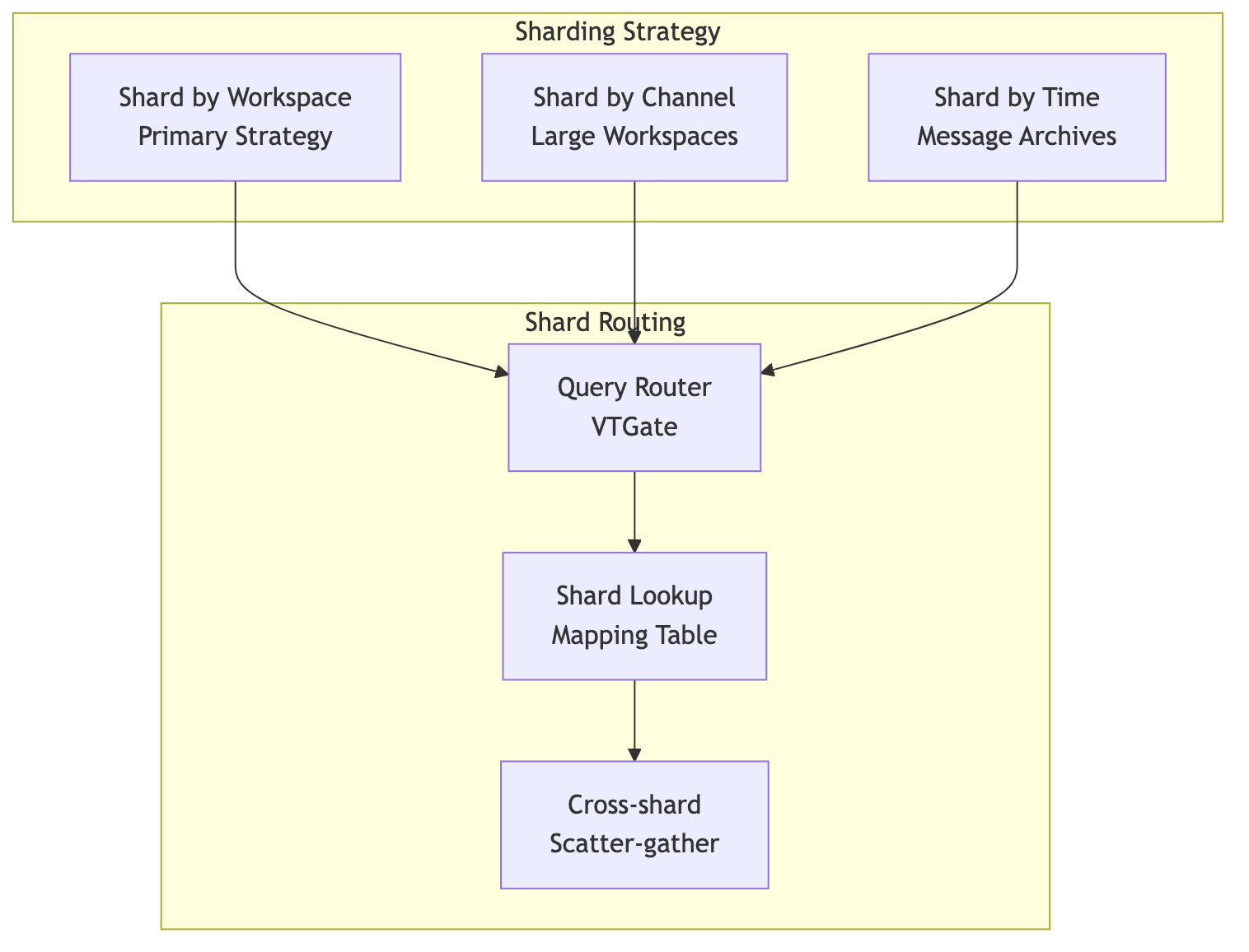
Vitess (MySQL Sharding)
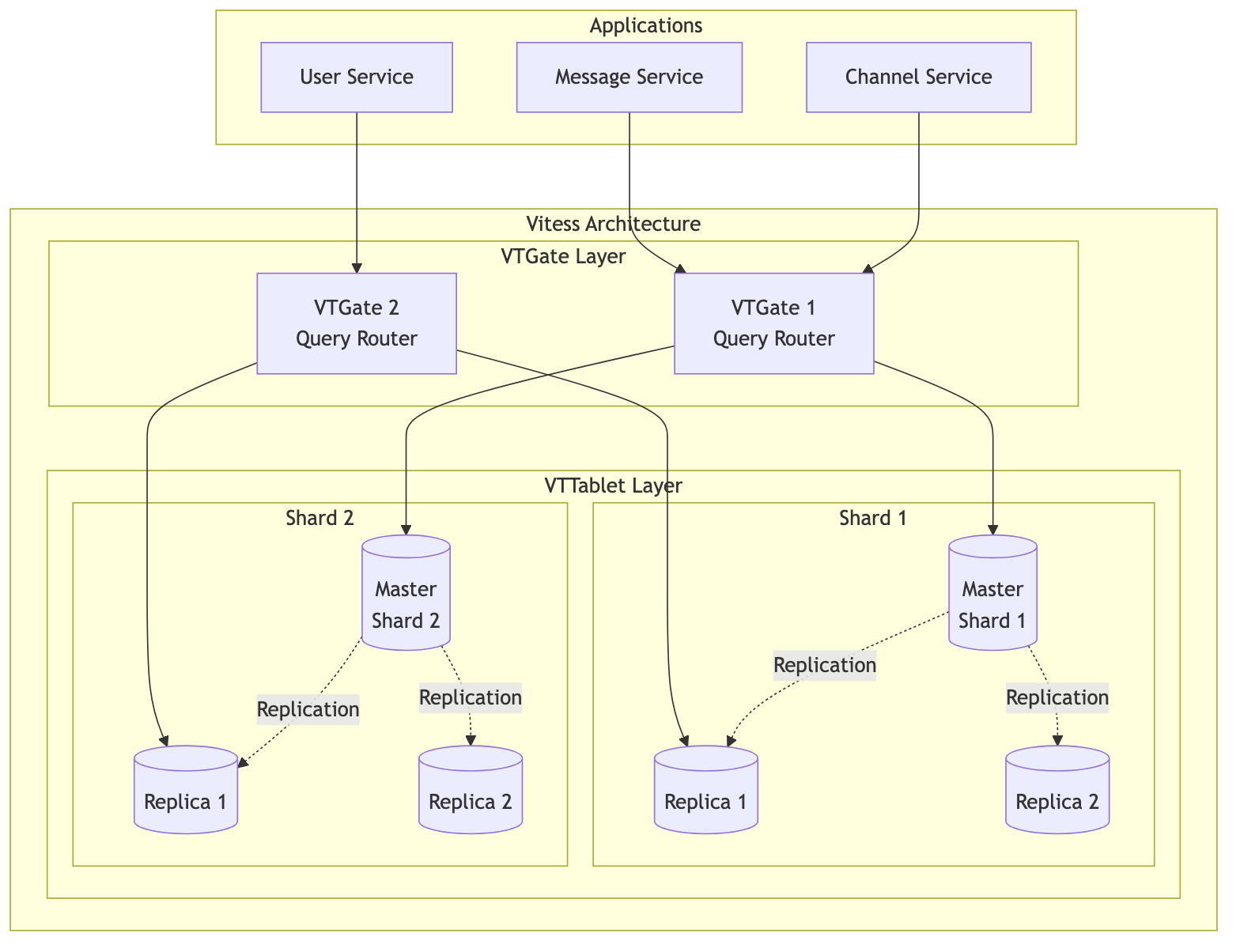
Vitess Benefits:
- Horizontal Scaling: Shard by workspace/channel
- Connection Pooling: Efficient MySQL connections
- Query Routing: Automatic shard selection
- Online Resharding: Zero-downtime splits
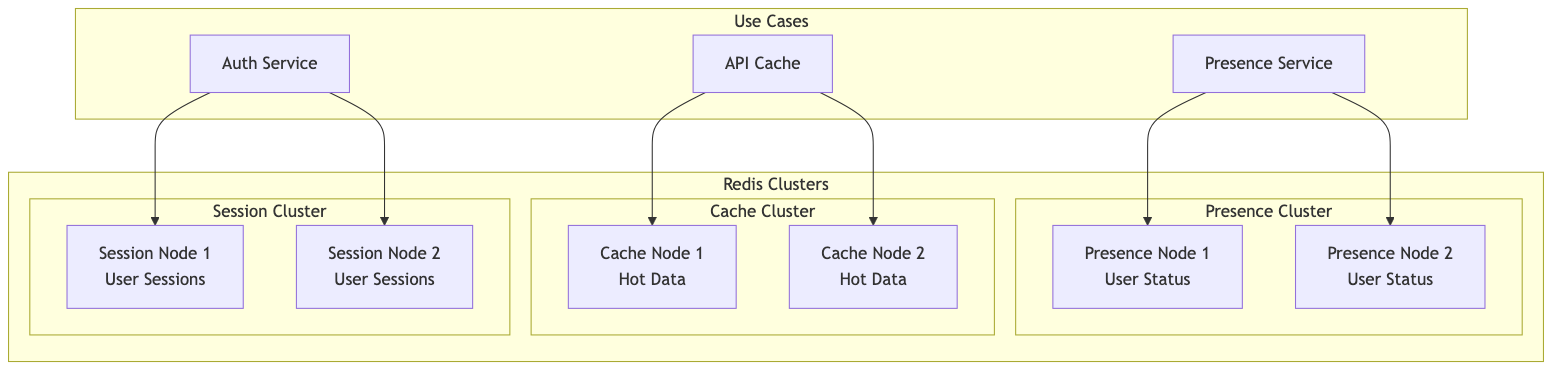
Redis (Cache & Presence)
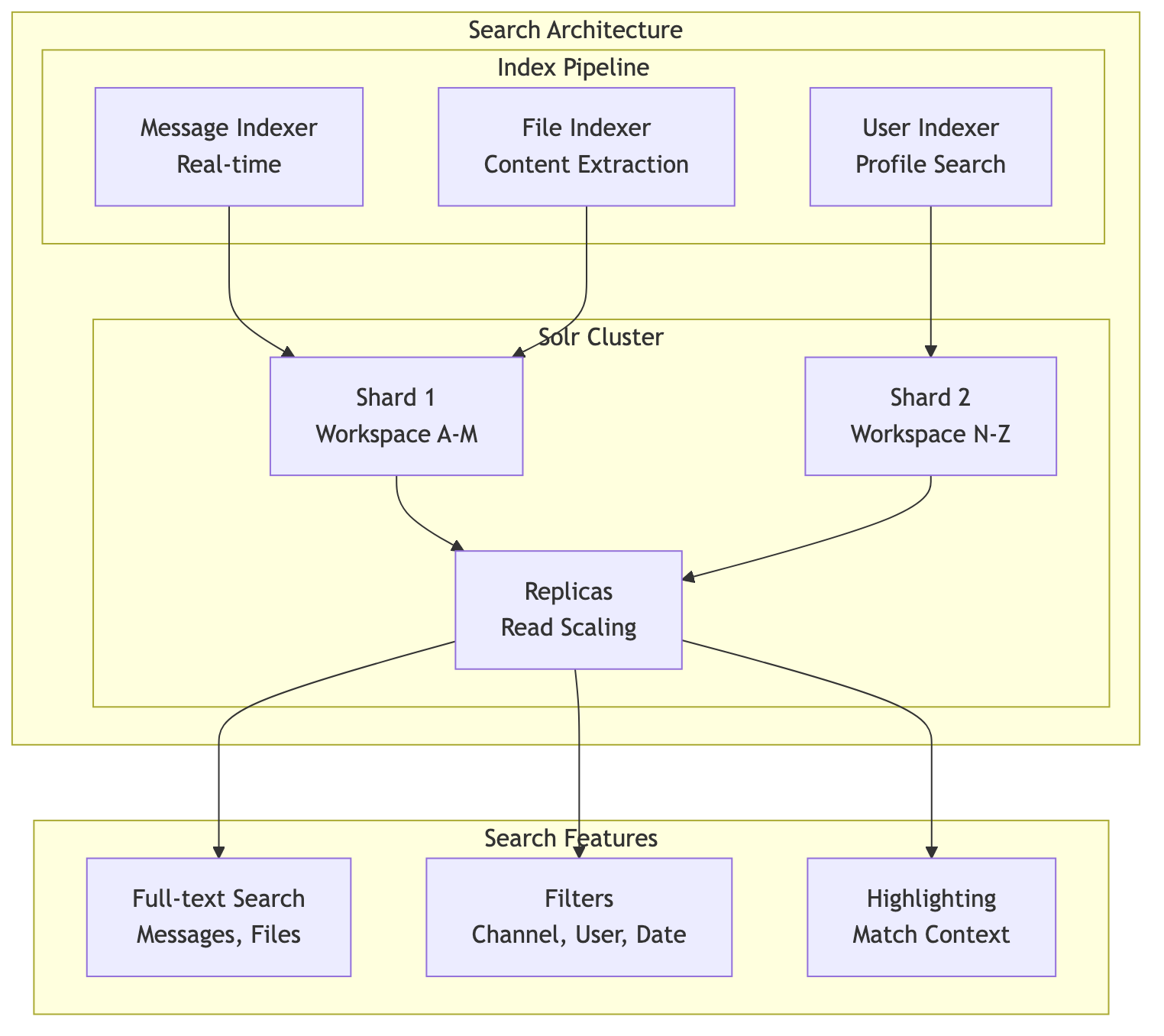
Solr (Search Infrastructure)
Stream Processing Architecture
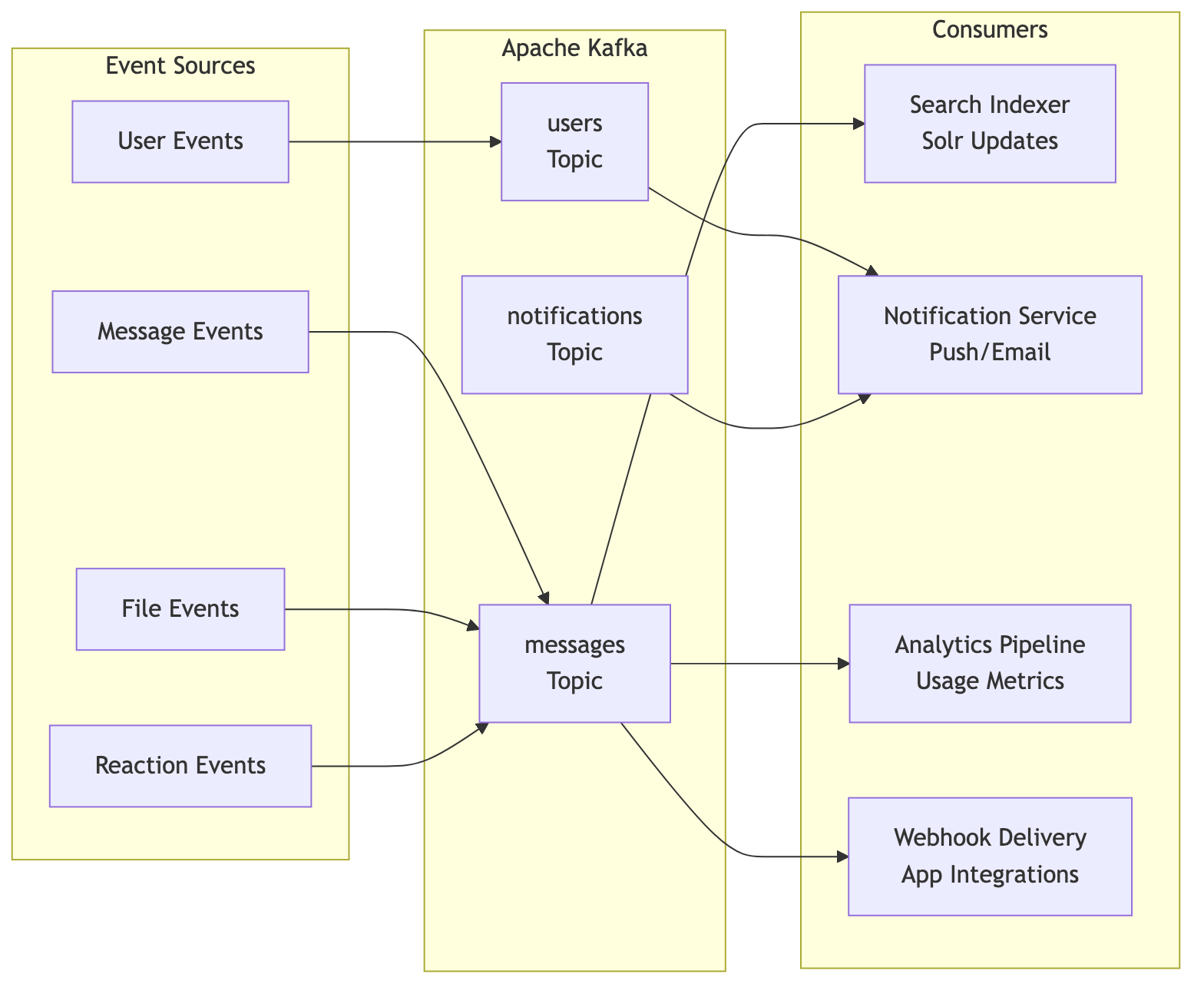
Event Processing
- Kafka: Millions of events per second
- Real-time Indexing: Sub-second search updates
- Webhook Delivery: Reliable app notifications
- Analytics: Real-time usage tracking
Scalability Patterns
1. Connection Scaling
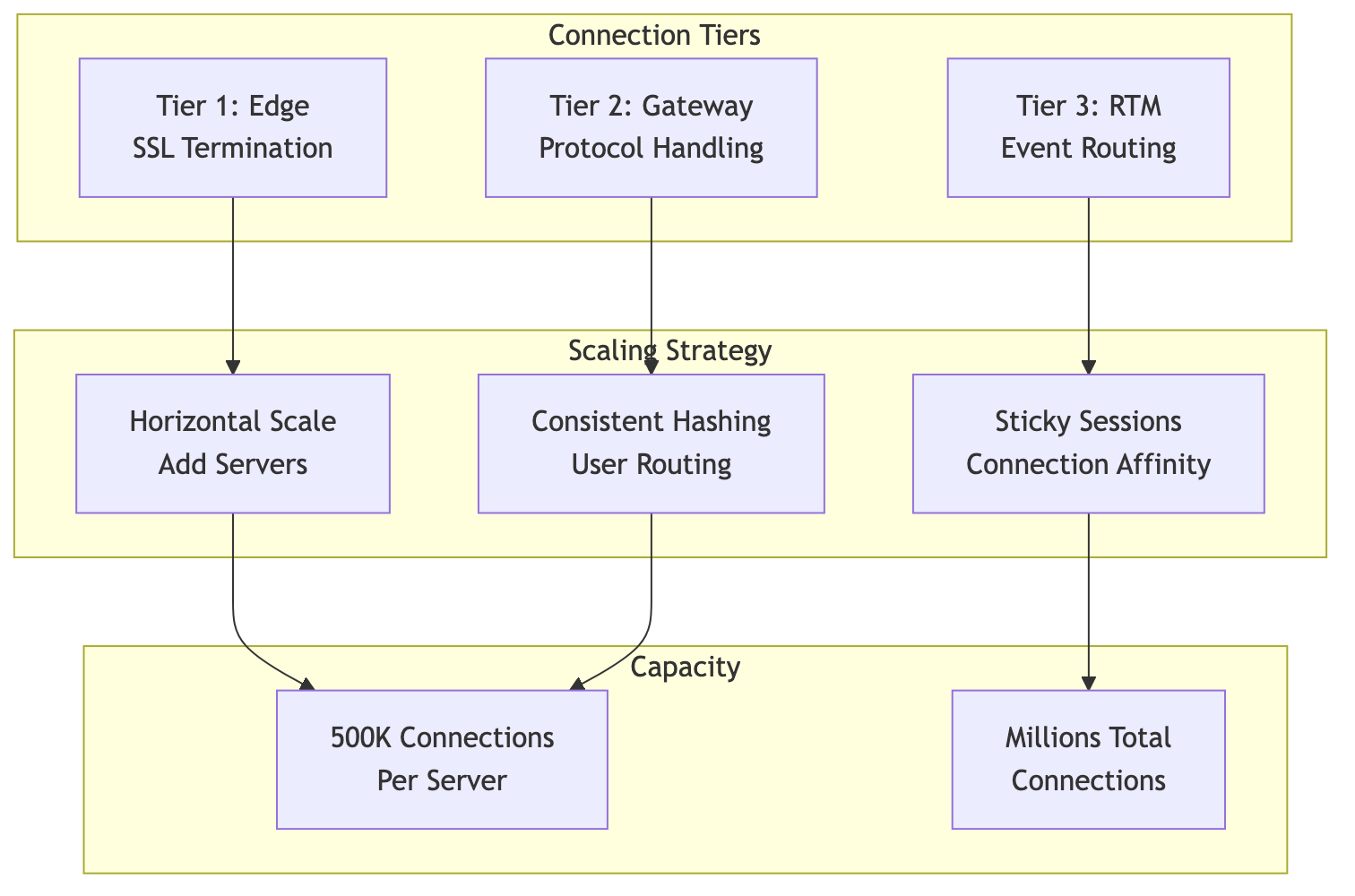
2. Message Fanout

3. Database Sharding
Security Architecture
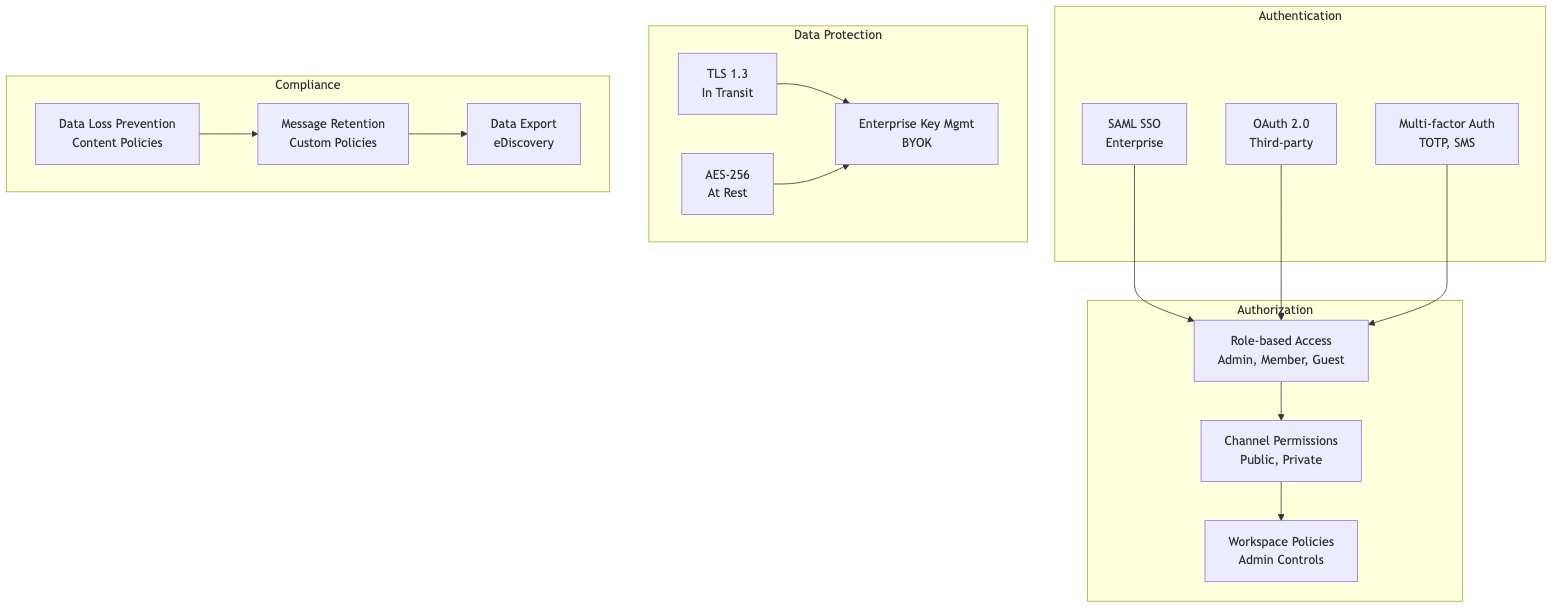
Enterprise Security
- Enterprise Key Management: Customer-controlled keys
- Data Residency: Region-specific data storage
- Audit Logs: Comprehensive activity tracking
- DLP Integration: Third-party DLP support
Compliance
- SOC 2 Type II: Security controls audit
- GDPR: European data protection
- HIPAA: Healthcare compliance (Enterprise Grid)
- FedRAMP: Government authorization
Monitoring and Observability
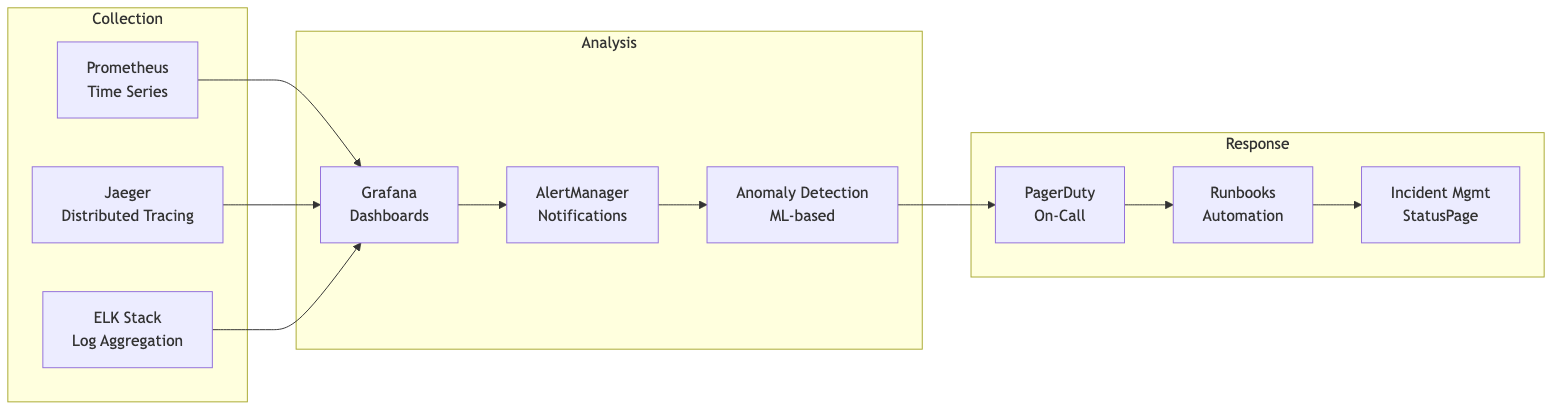
Key Metrics
- Message Delivery Latency: P50, P95, P99
- WebSocket Connection Health: Success rate, reconnections
- API Latency: Endpoint-level response times
- Search Latency: Query response times
Deployment and DevOps
Continuous Integration/Continuous Deployment
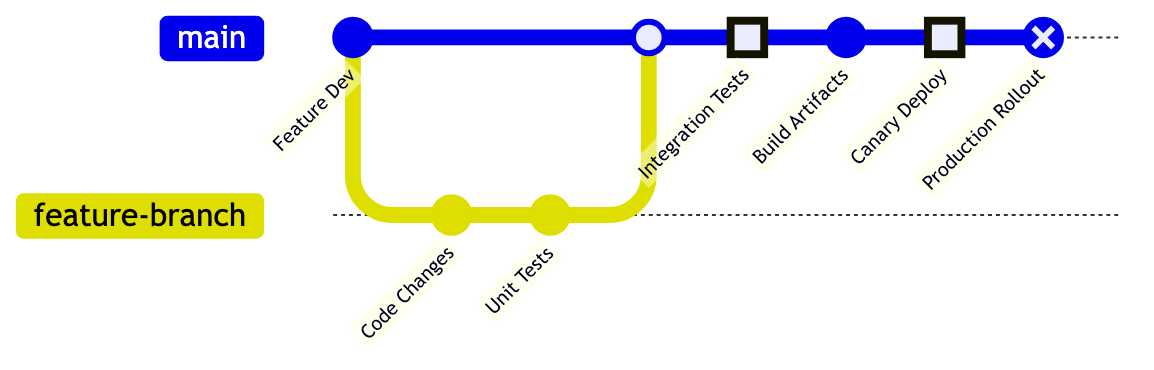
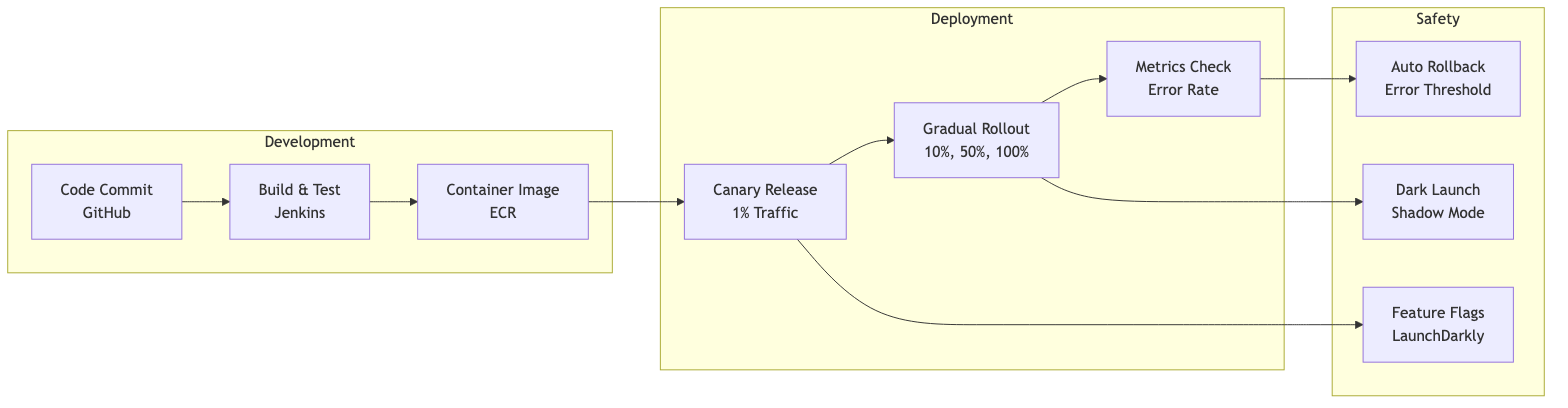
Infrastructure
- Kubernetes: Container orchestration
- AWS: Primary cloud provider
- Terraform: Infrastructure as code
- Consul: Service discovery
Chaos Engineering
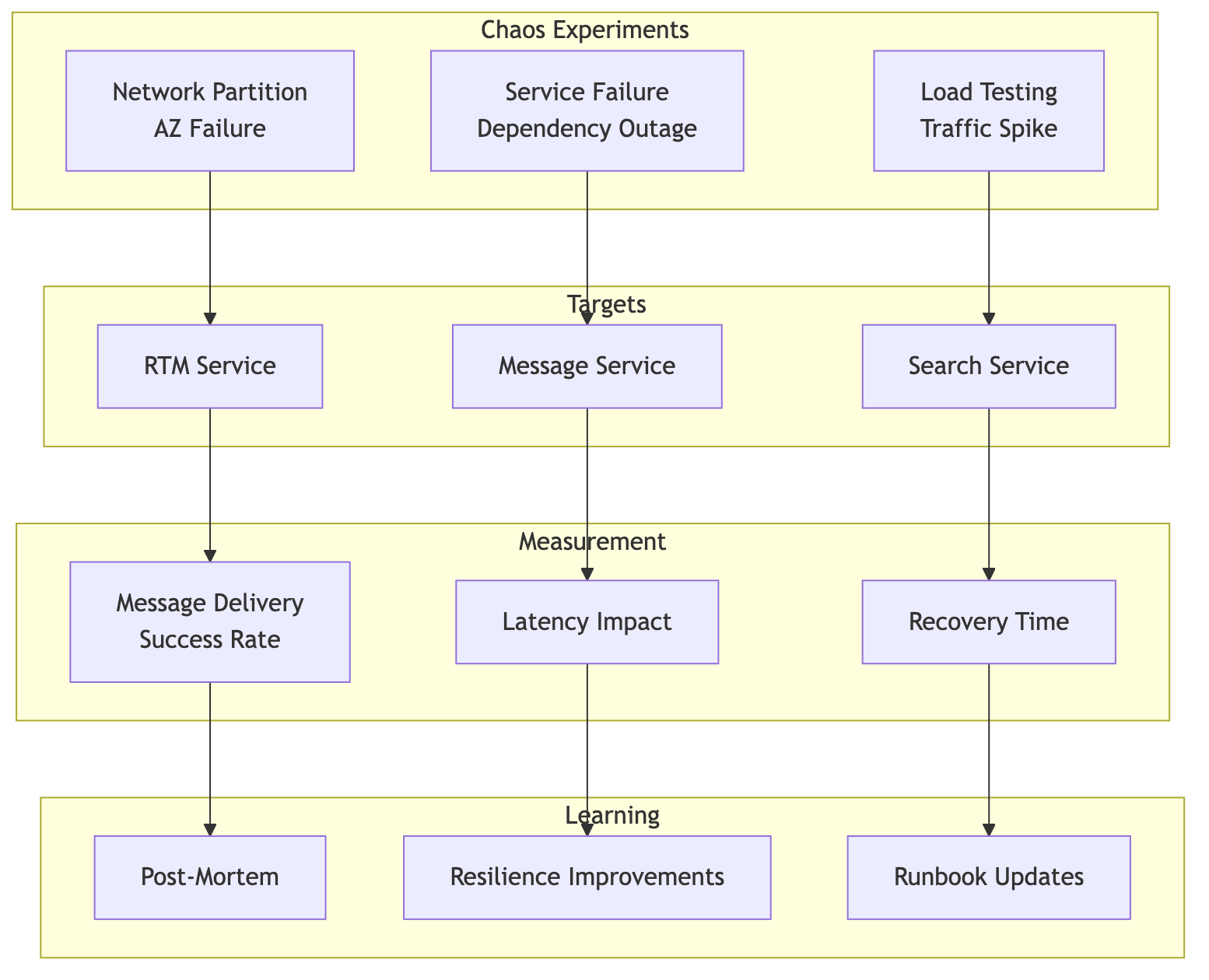
Practices:
- GameDay Exercises: Quarterly failure simulations
- Chaos Monkey: Random service termination
- Load Testing: 10x normal traffic simulation
- AZ Failover: Regular availability zone drills
Analytics and Machine Learning
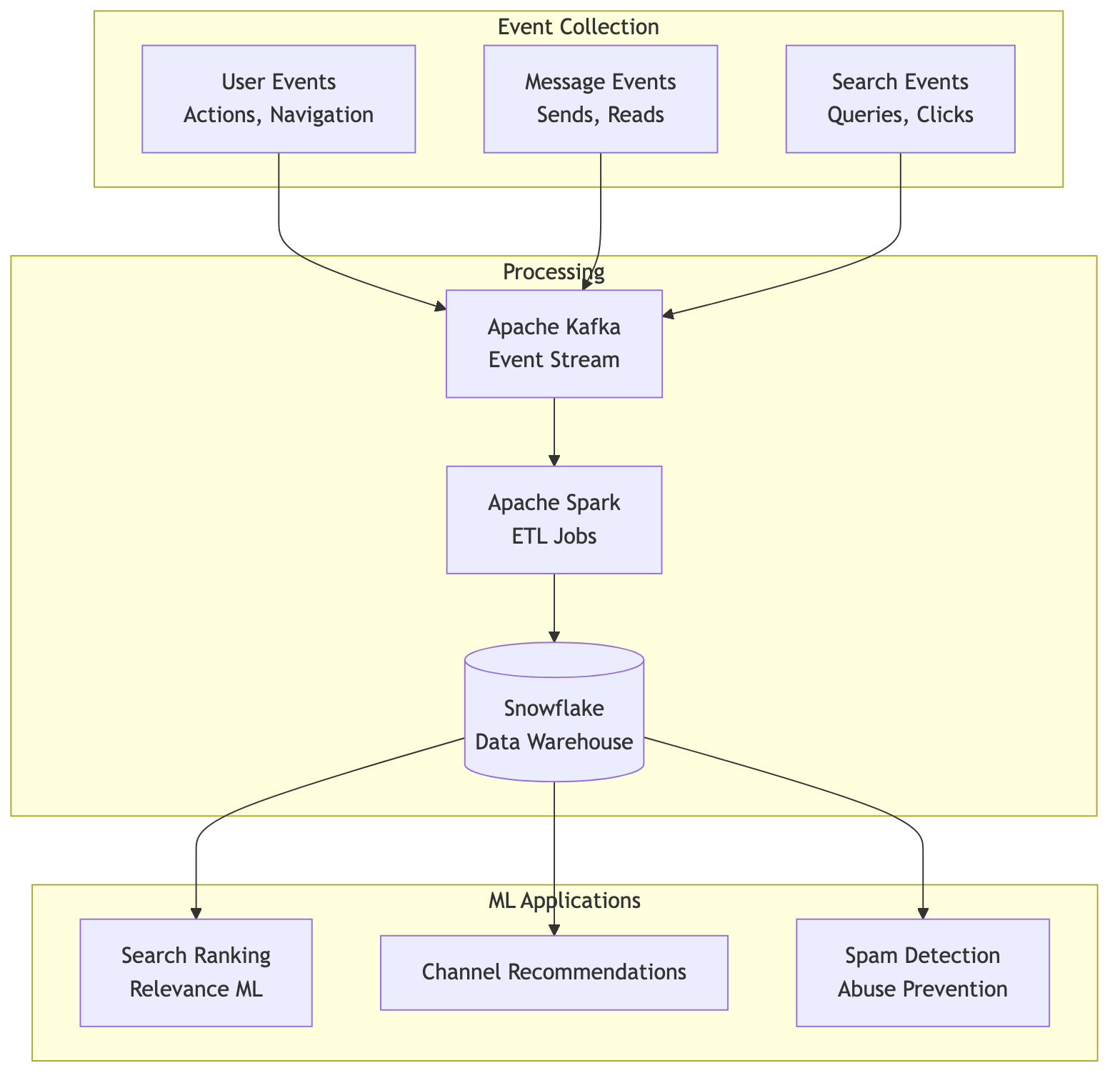
Data Pipeline
ML Use Cases
- Search Ranking: Personalized result ordering
- Channel Suggestions: Recommend relevant channels
- Spam Detection: Automated abuse prevention
- Smart Notifications: Intelligent alert timing
- Emoji Predictions: Suggested reactions
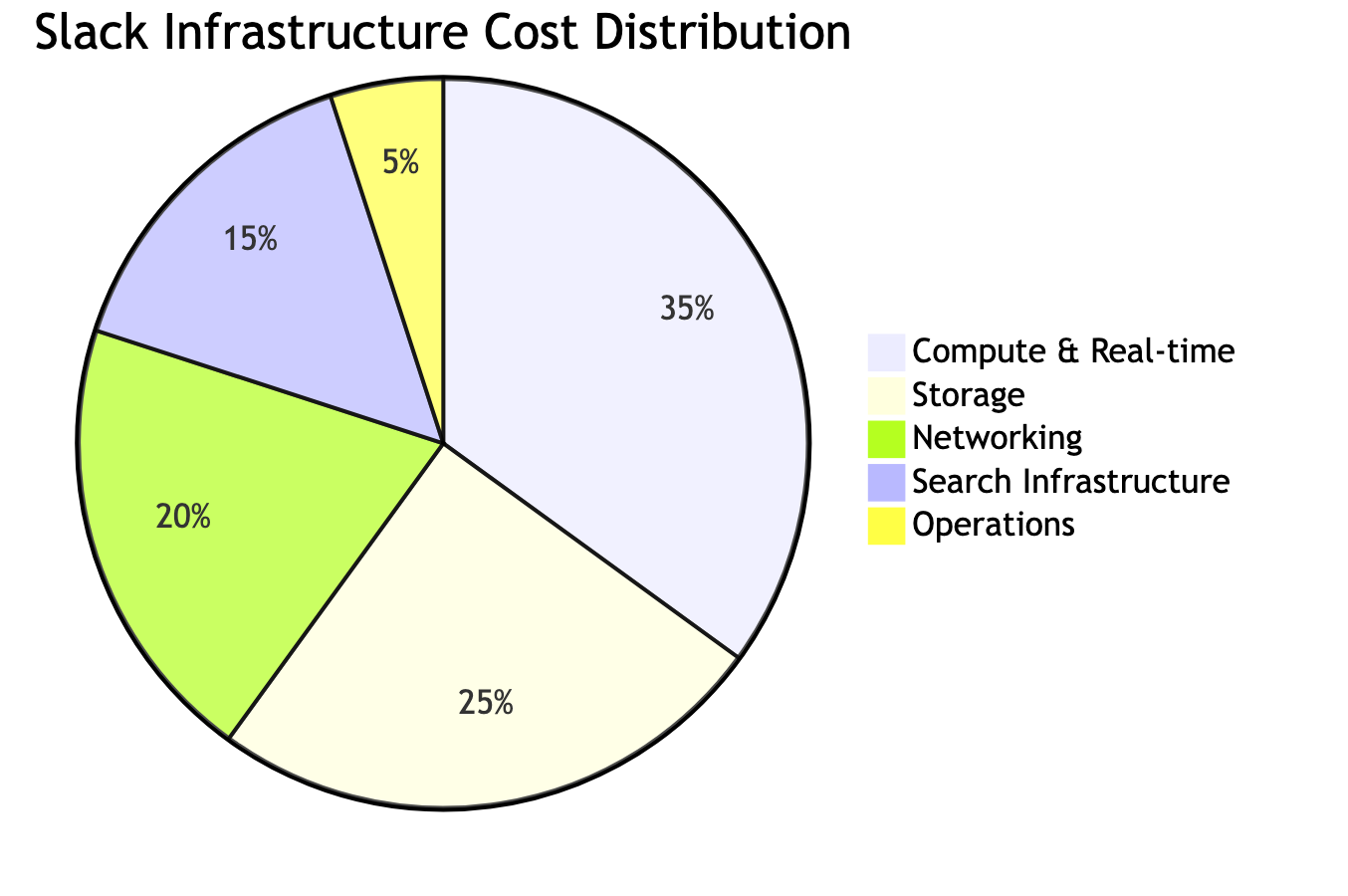
Cost Optimization

Key Strategies
- Message Compression: 40% storage reduction
- Connection Multiplexing: Efficient WebSocket usage
- Tiered Storage: Archive old messages to cold storage
- Reserved Instances: Predictable baseline costs
Future Architecture Considerations
Emerging Technologies
- WebRTC Integration: Native audio/video calls
- AI Assistance: Smart message suggestions
- Workflow Automation: No-code automation tools
- Edge Computing: Lower latency for global users
Platform Evolution
- Salesforce Integration: Deeper CRM integration
- Canvas: Rich document collaboration
- Clips: Async video messaging
- Huddles: Lightweight audio calls
Infrastructure Roadmap
- Multi-Cloud: Resilience through cloud diversity
- Global Expansion: New regions for data residency
- Zero-Trust Security: Enhanced security model
- Sustainable Computing: Carbon-neutral operations
Conclusion
Slack's architecture demonstrates how to build a real-time collaboration platform at scale. The combination of WebSocket-based real-time messaging, Vitess-powered database sharding, and efficient presence tracking enables Slack to deliver reliable communication for millions of teams.
The platform continues to evolve with deeper enterprise integrations, enhanced AI capabilities, and improved collaboration features, all while maintaining the real-time responsiveness that users depend on for productive teamwork.
There might be iterations needed, current data is as close I could get.
Rate Limiter
System design for a rate limiting service.
Stripe
🏗️ Stripe processes hundreds of billions of dollars annually, handling millions of API requests per minute across 195+ countries. This document outlines the comprehensive architecture that enables Stripe to deliver reliable payment infrastructure with 99.999% uptime.