 Masst Docs
Coinbase
🏗️ Coinbase serves 110M+ verified users across 100+ countries, processing billions of dollars in cryptocurrency transactions daily. This document outlines the comprehensive architecture that enables Coinbase to deliver secure, reliable digital asset trading at massive scale.
High-Level Architecture
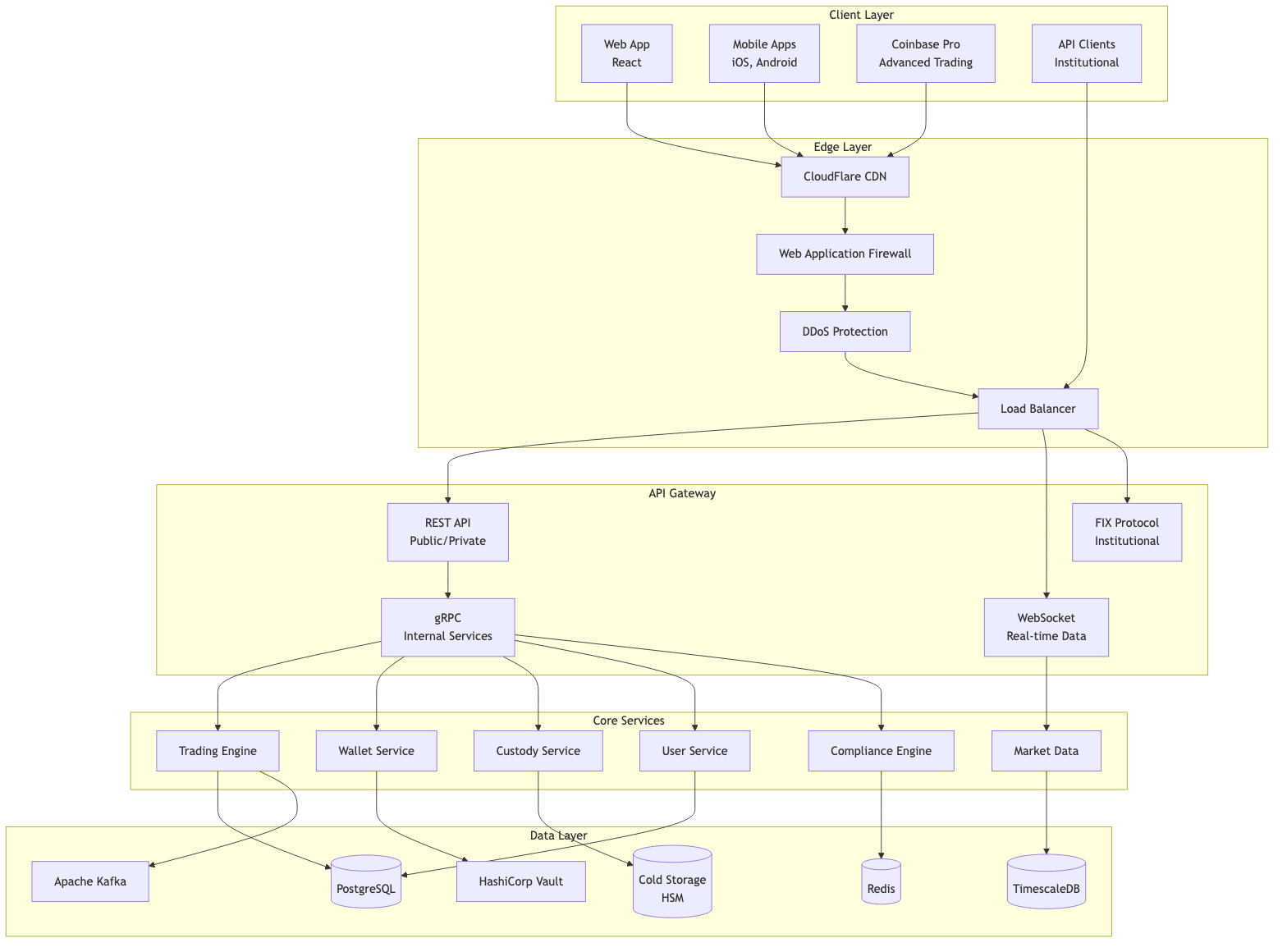
Core Components
1. Trading Engine (Matching Engine)
Coinbase's order matching engine processes millions of trades with microsecond latency.
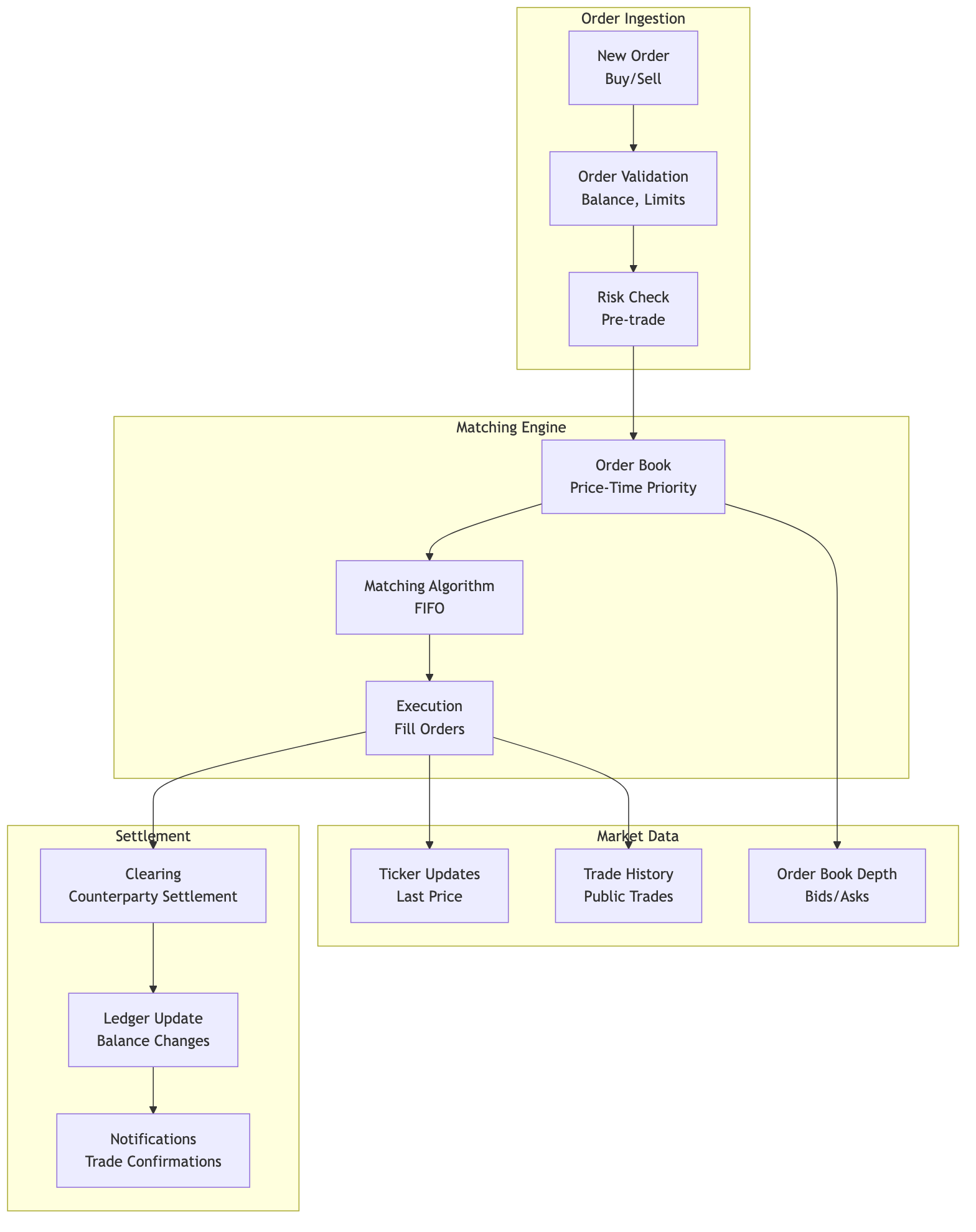
Trading Features:
- Order Types: Market, Limit, Stop, Stop-Limit
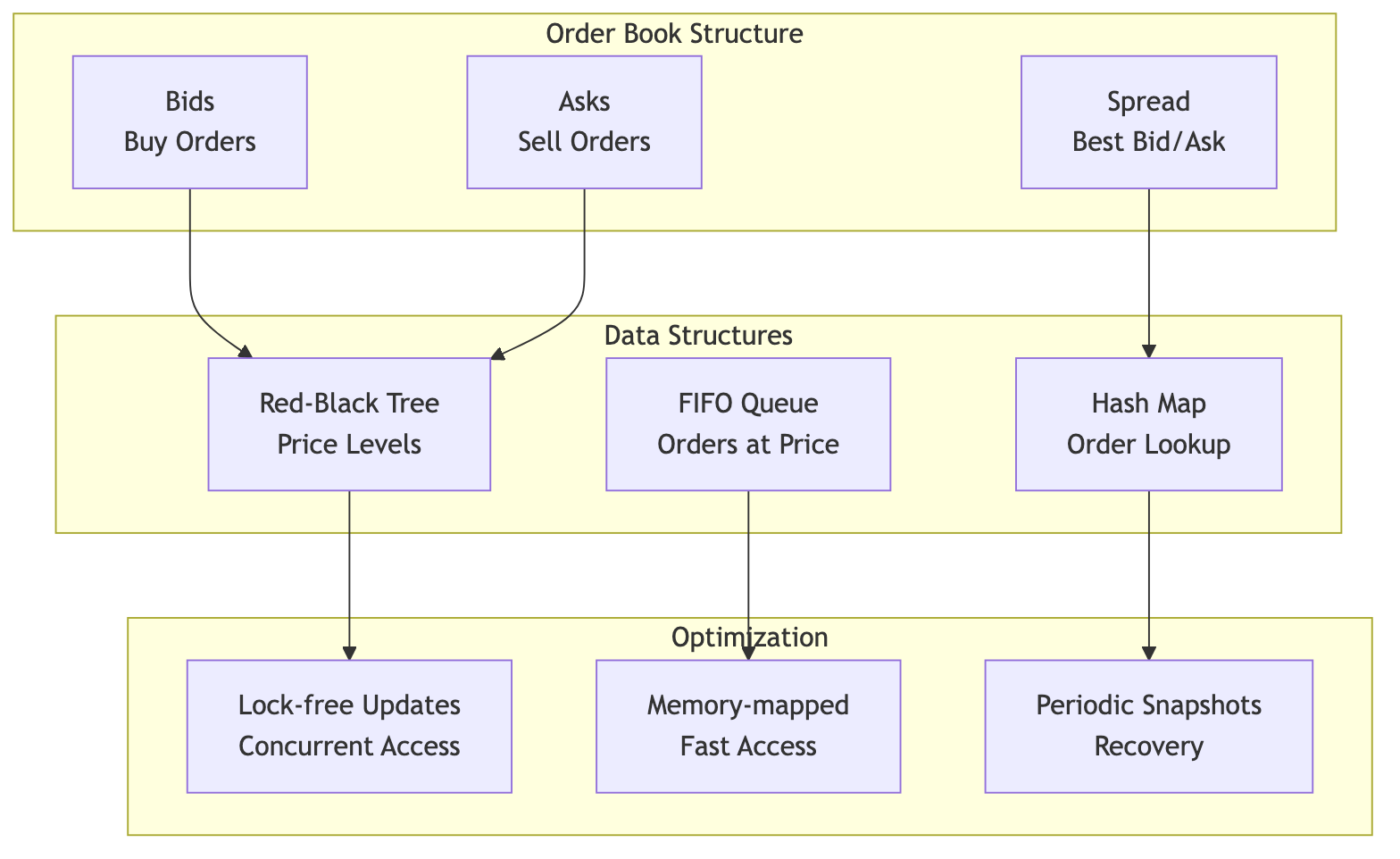
- Matching: Price-time priority (FIFO)
- Latency: Sub-millisecond matching
- Throughput: 100K+ orders per second
2. Wallet Infrastructure
Secure cryptocurrency storage with hot and cold wallet segregation.
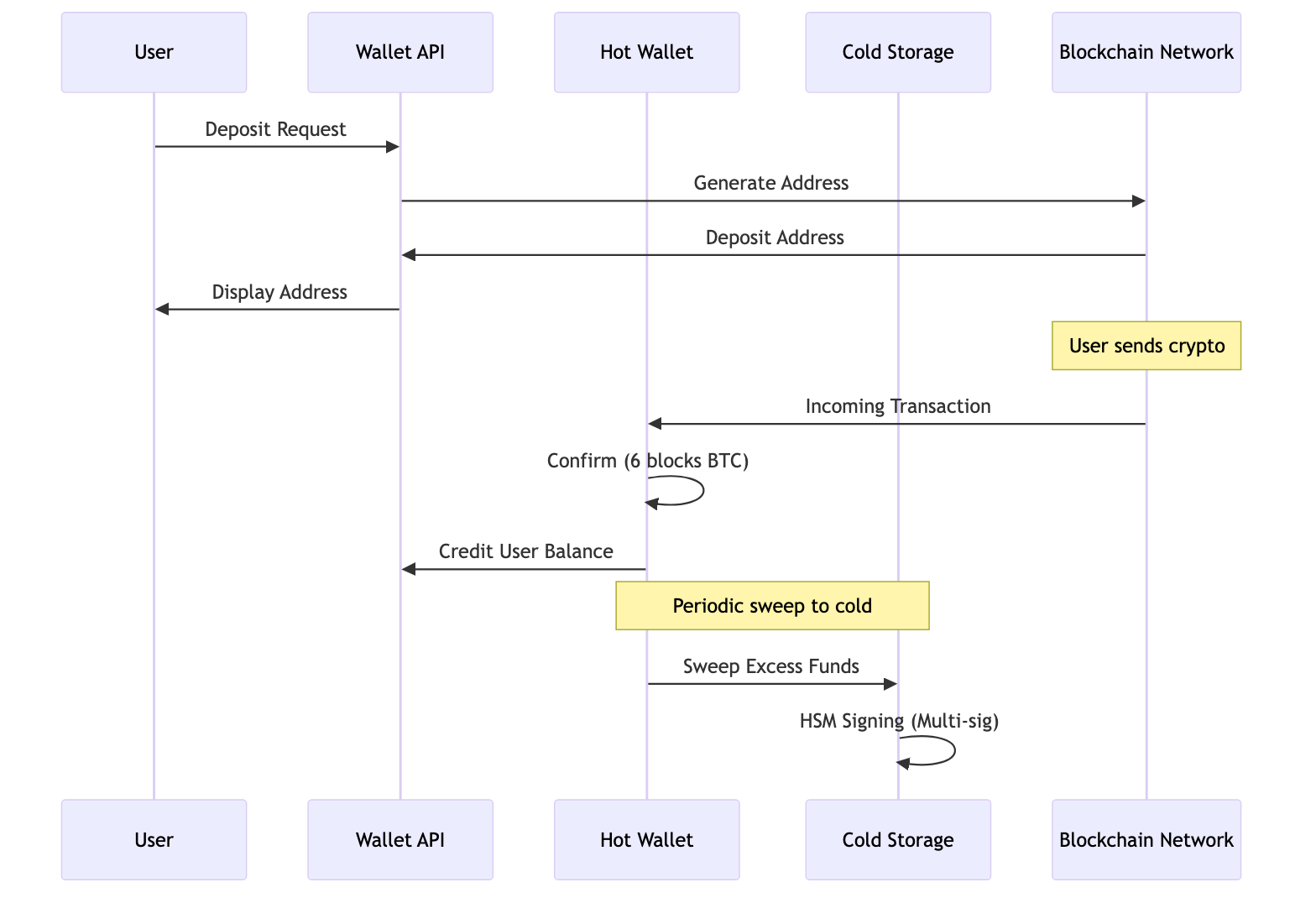
Wallet Architecture:
- Hot Wallets: Online, for immediate withdrawals (~2% of assets)
- Cold Storage: Offline, HSM-secured (~98% of assets)
- Multi-signature: Requires multiple approvals
- Geographic Distribution: Keys spread across locations
3. Custody Solution
Institutional-grade custody with insurance and compliance.
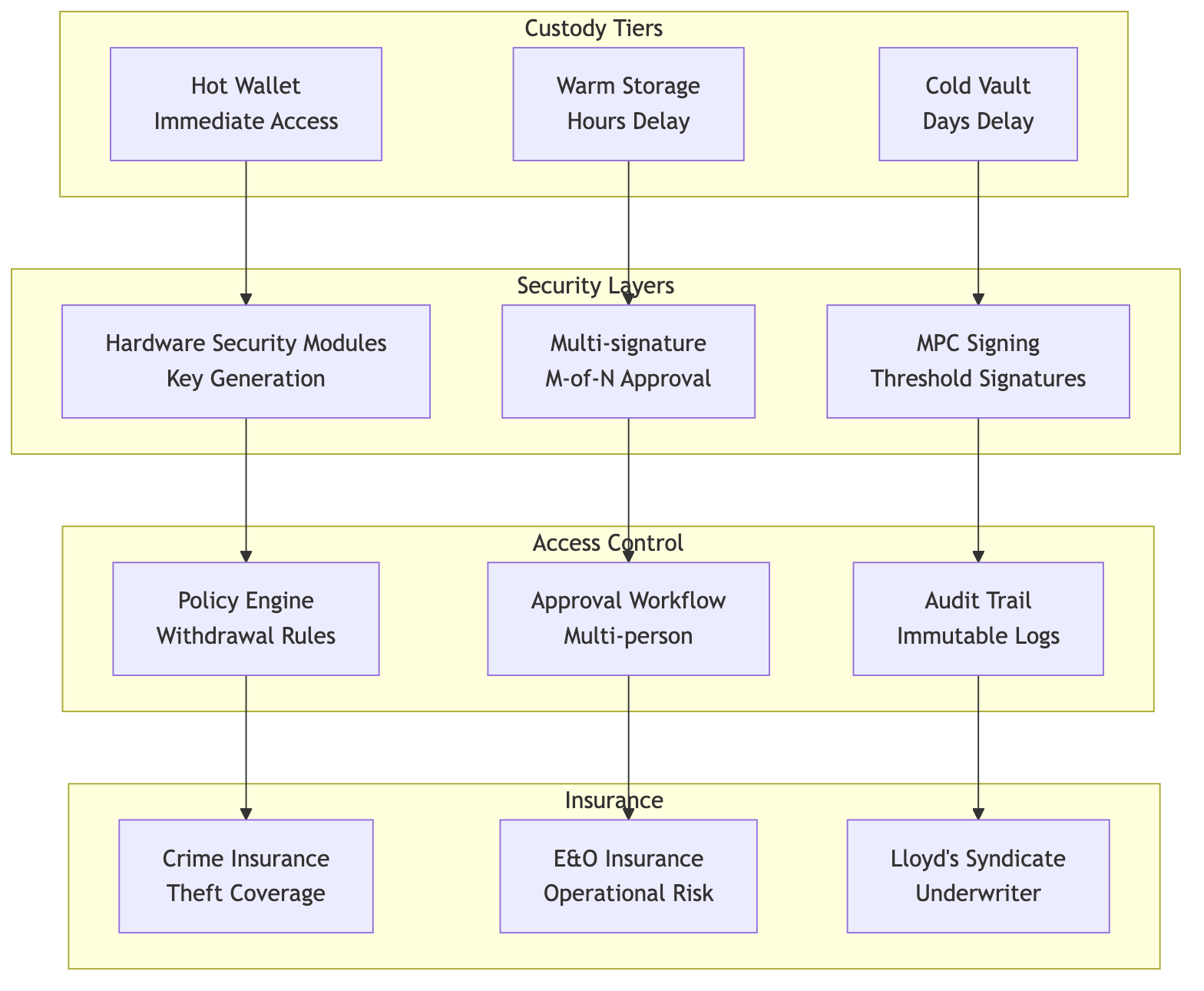
4. Blockchain Integration
Multi-chain support with transaction monitoring.
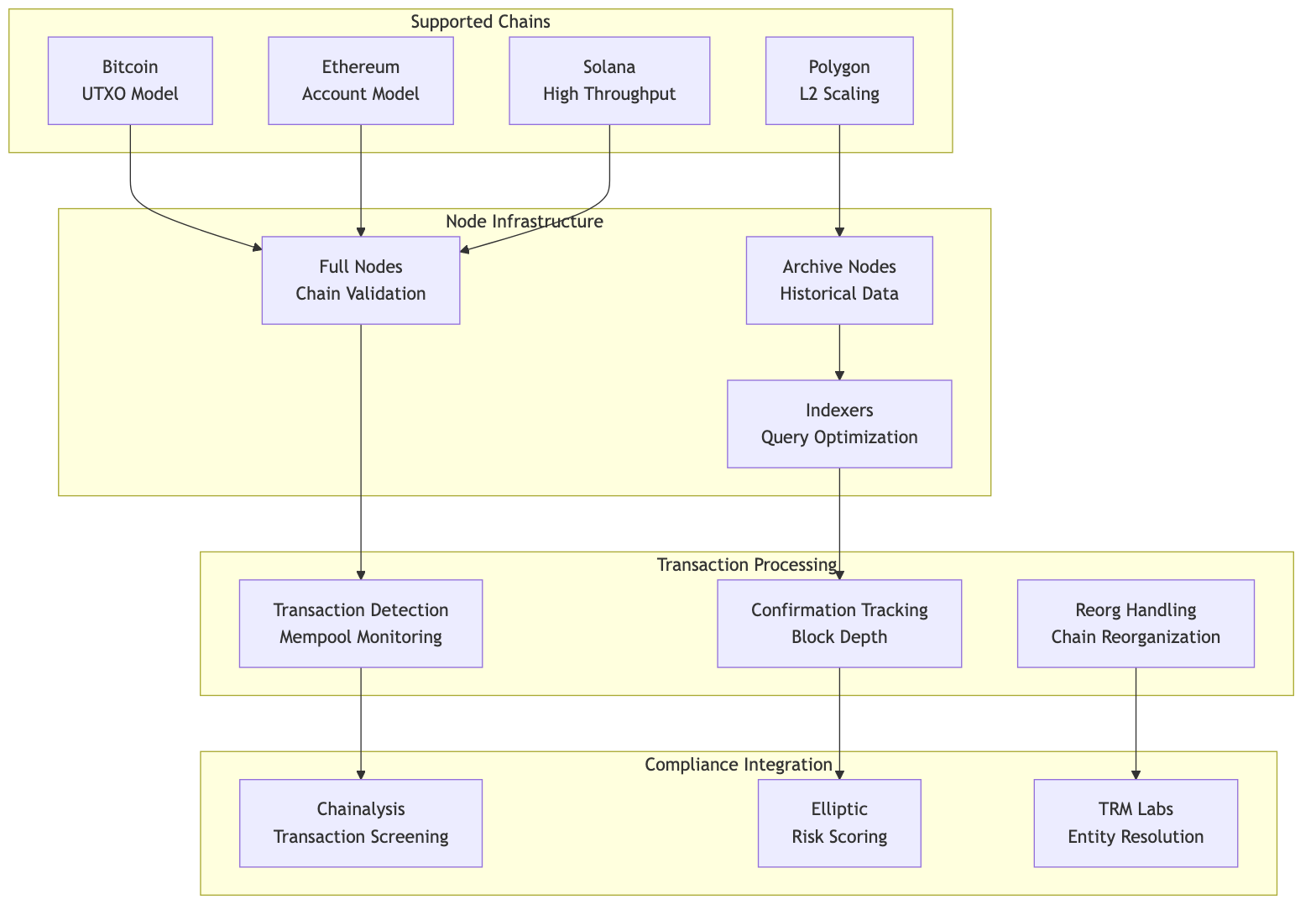
Data Storage Architecture
PostgreSQL (Primary Database)
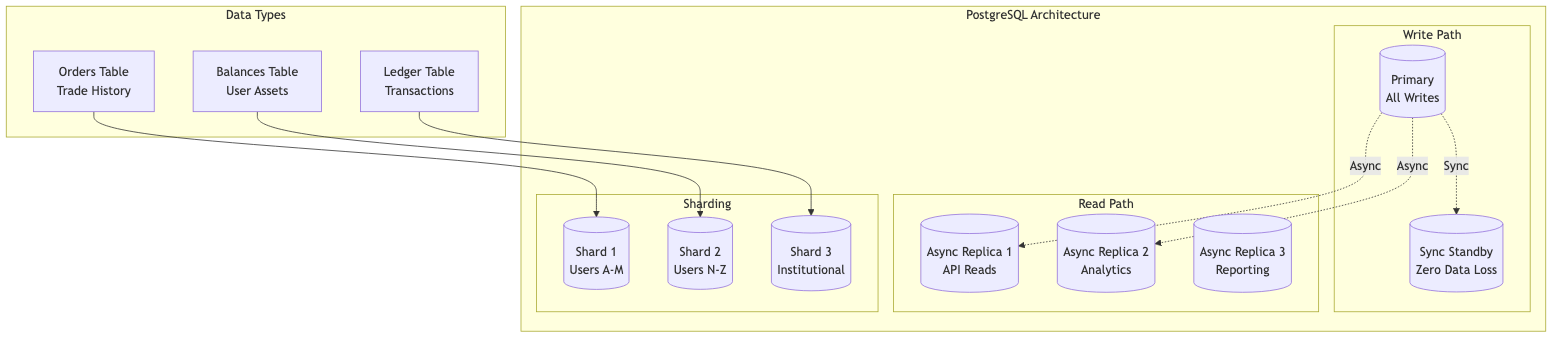
TimescaleDB (Market Data)
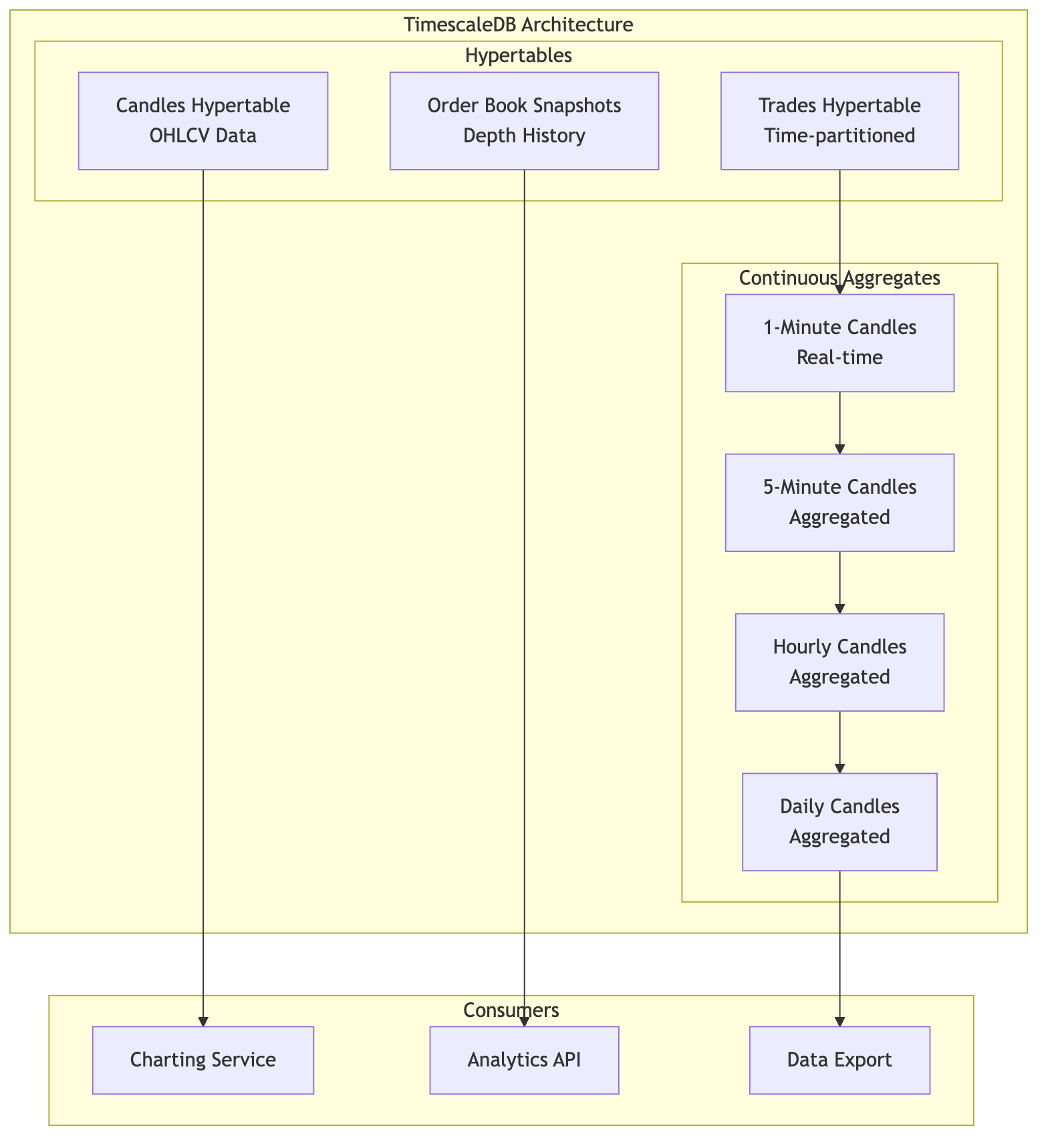
Redis (Caching & Real-time)
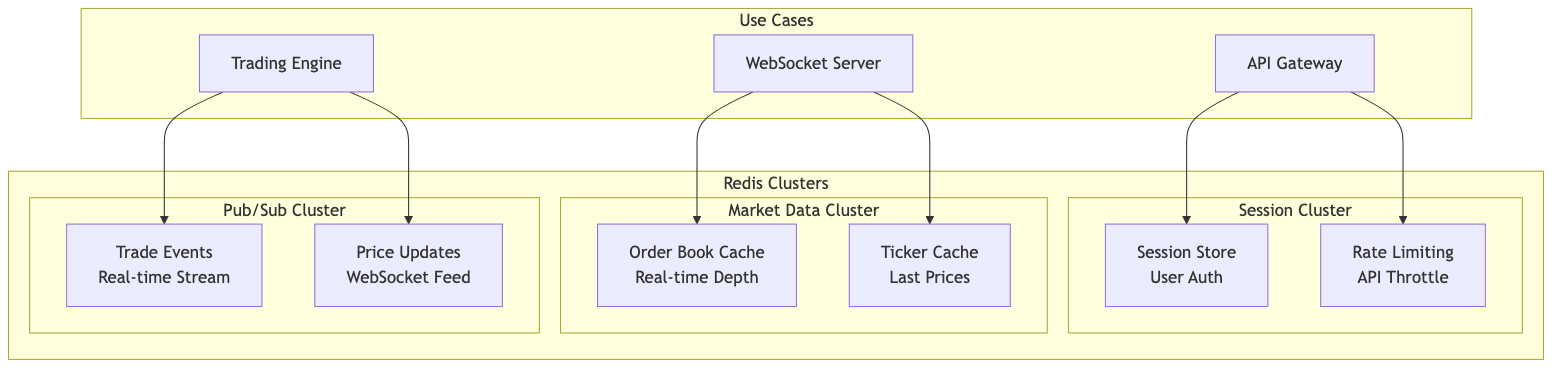
Stream Processing Architecture
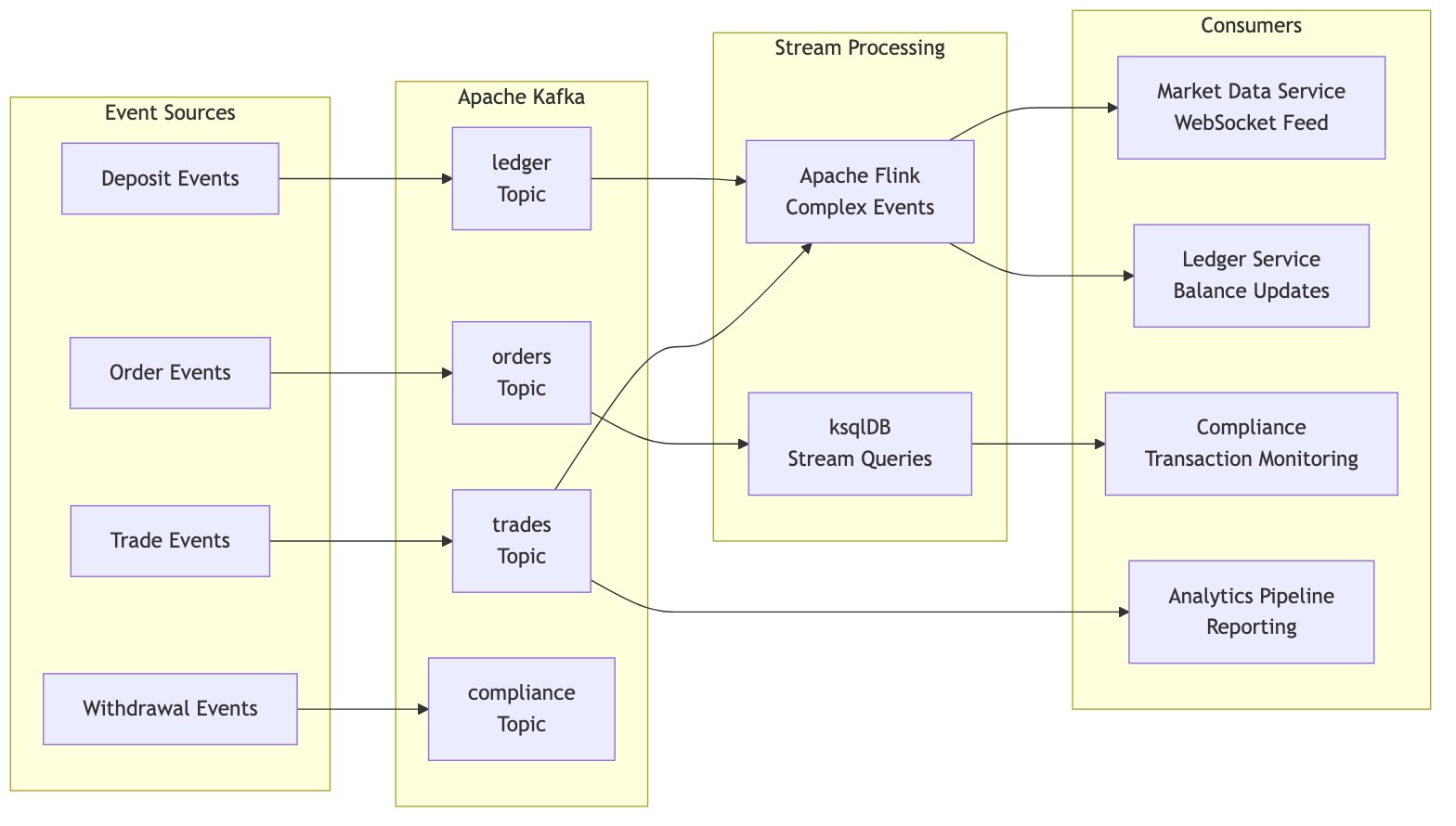
Real-time Processing
- Trade Streaming: Sub-second trade distribution
- Order Book Updates: Real-time depth changes
- Balance Updates: Instant ledger synchronization
- Compliance Monitoring: Real-time transaction screening
Scalability Patterns
1. Order Book Management
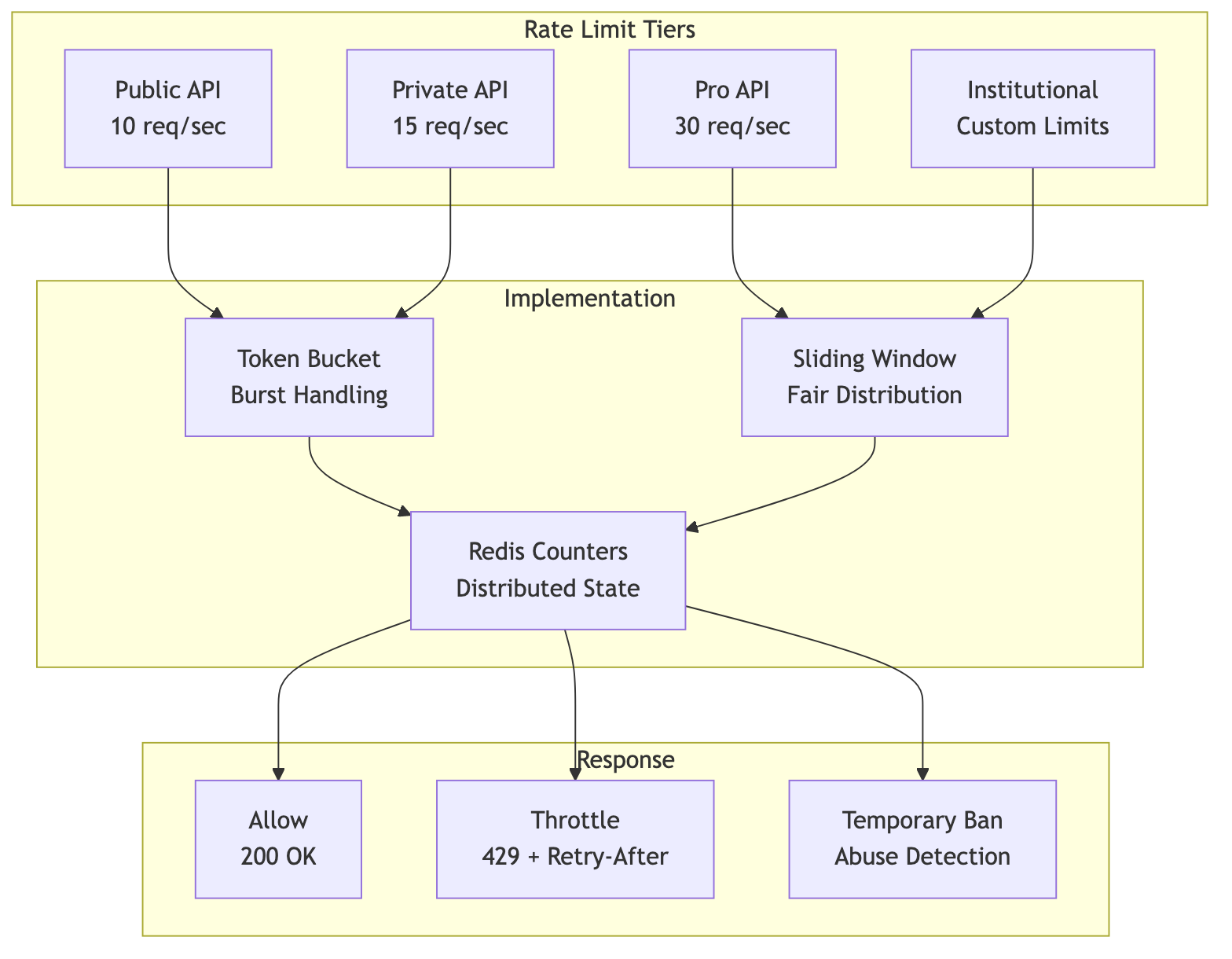
2. Rate Limiting
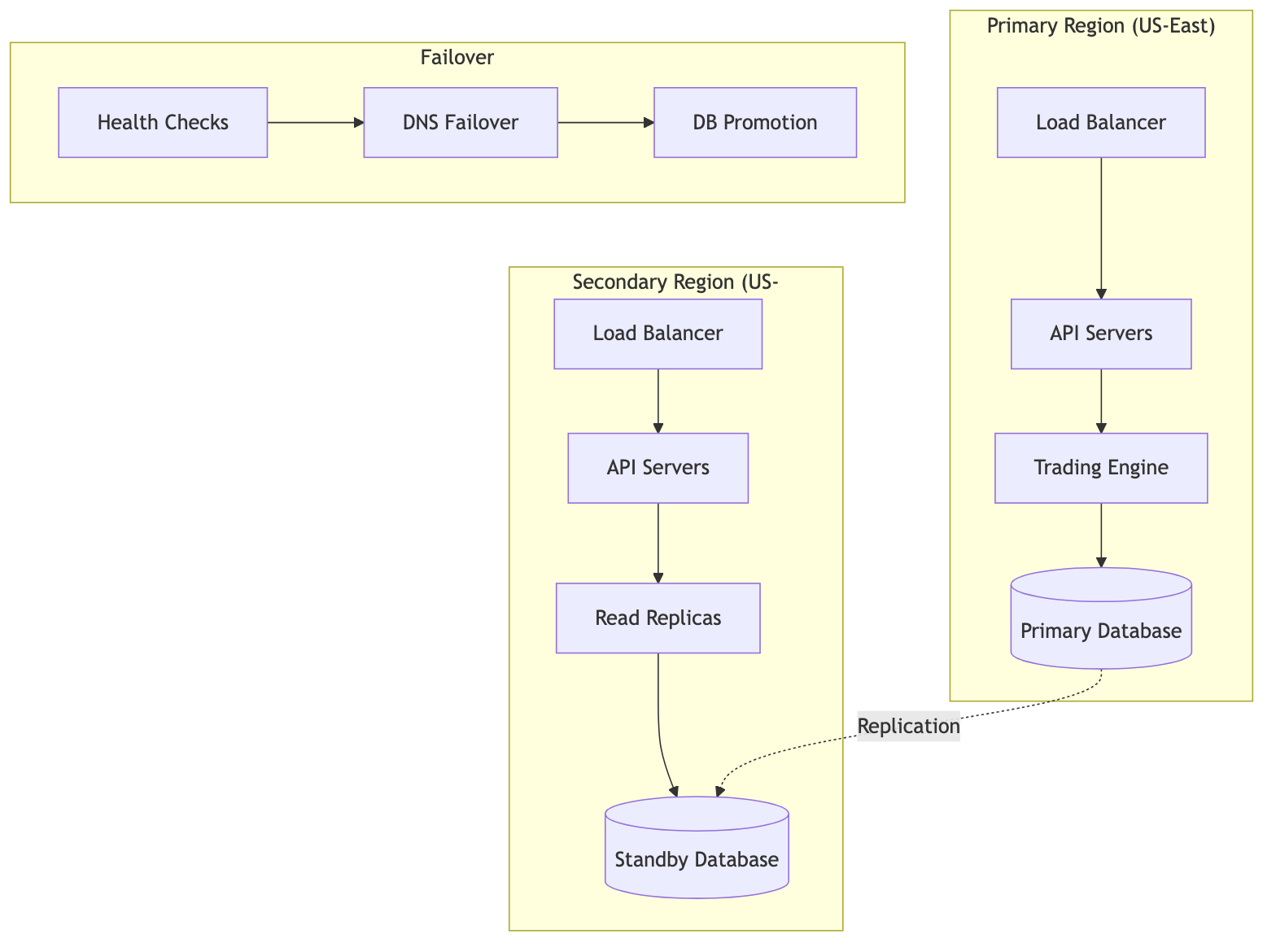
3. High Availability
Security Architecture
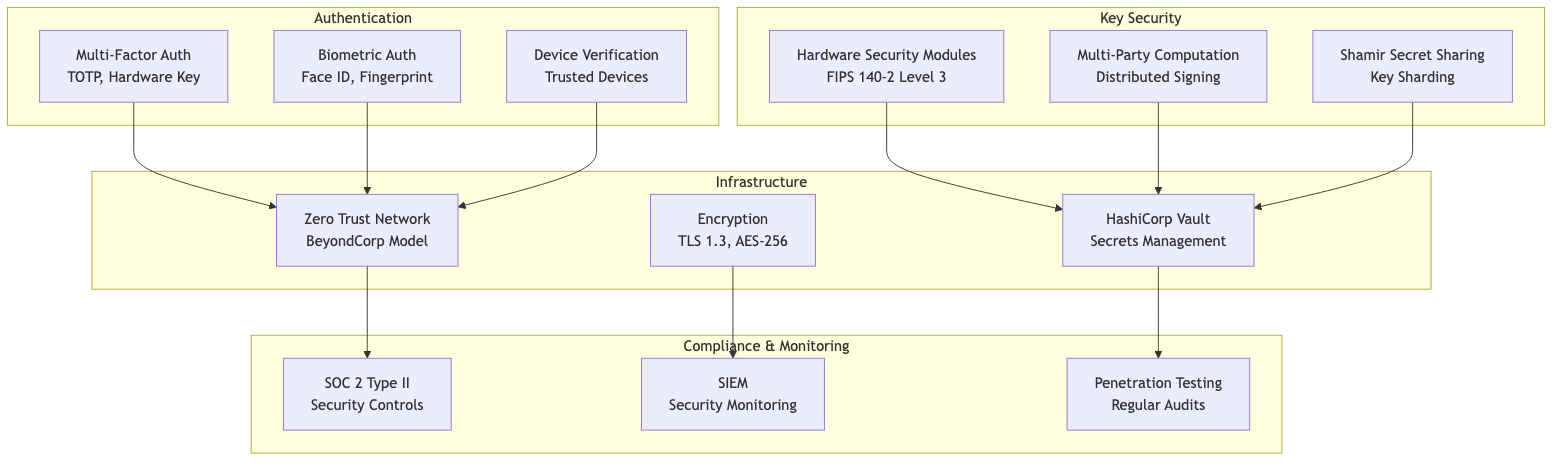
Cold Storage Security
- Air-gapped Systems: No network connectivity
- Geographic Distribution: Keys across multiple locations
- Multi-signature: Requires multiple key holders
- Time-delayed Withdrawals: Large withdrawal delays
Compliance
- KYC/AML: Identity verification, transaction monitoring
- Travel Rule: Cross-exchange information sharing
- SAR Filing: Suspicious activity reporting
- State Licenses: Money transmitter licenses
Monitoring and Observability
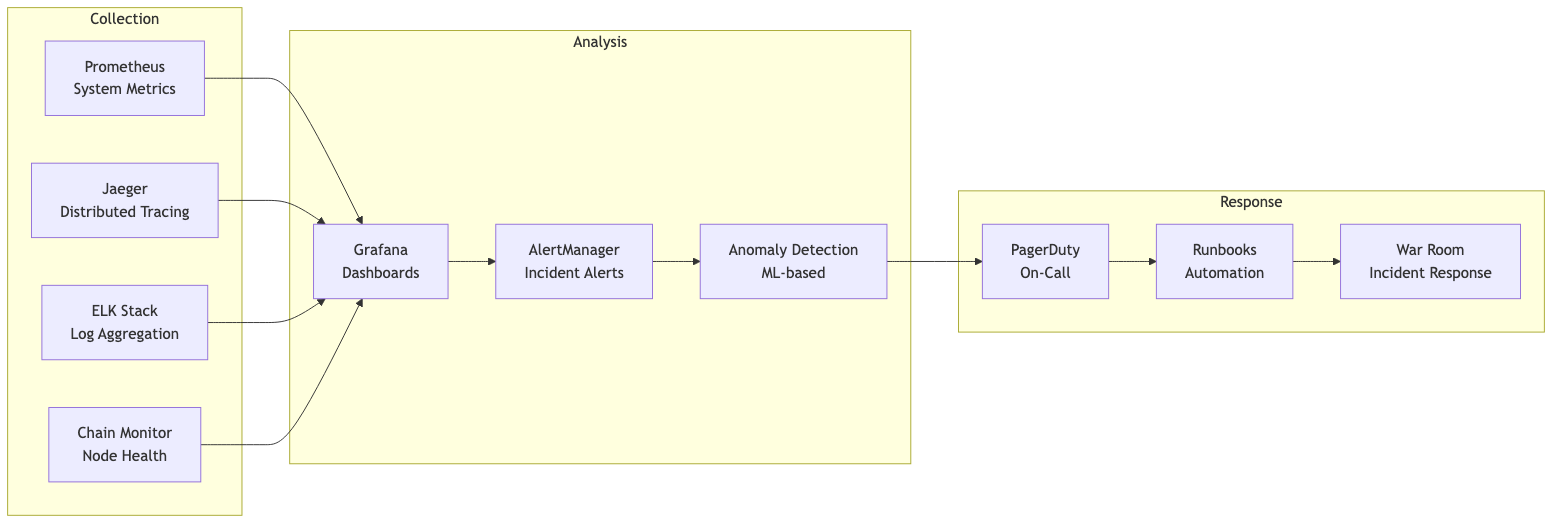
Key Metrics
- Trading Latency: Order-to-fill time
- Blockchain Sync: Node lag behind chain tip
- Wallet Balance: Hot wallet thresholds
- API Availability: Uptime and error rates
Deployment and DevOps
Continuous Integration/Continuous Deployment
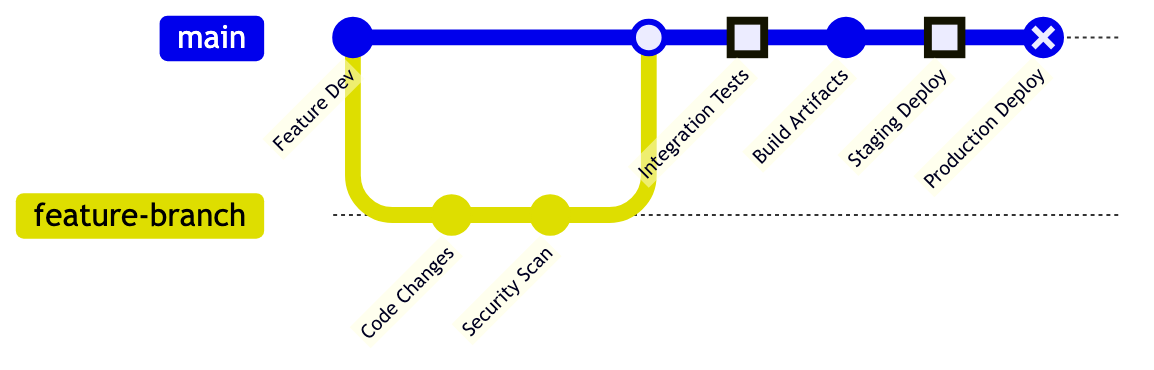
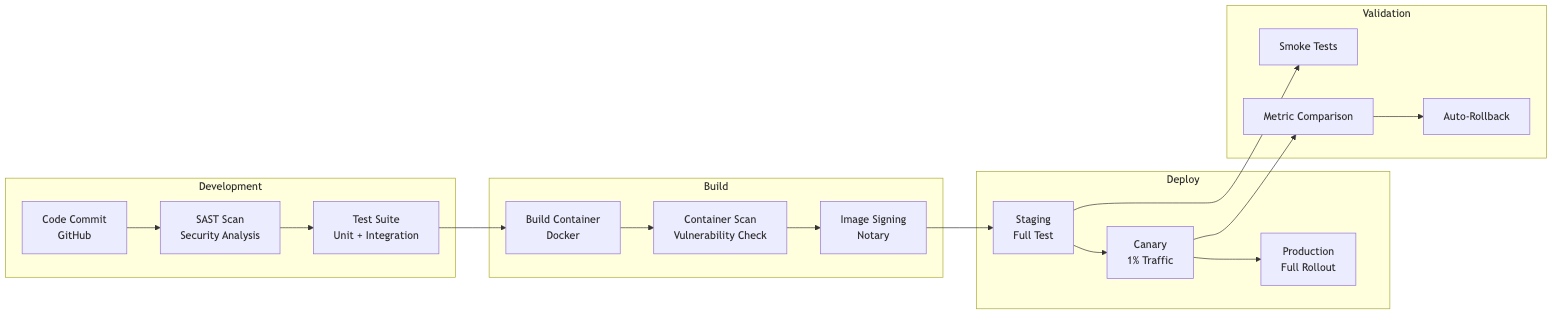
Infrastructure
- Kubernetes: Container orchestration
- AWS/GCP: Multi-cloud deployment
- Terraform: Infrastructure as code
- Vault: Secrets management
Chaos Engineering
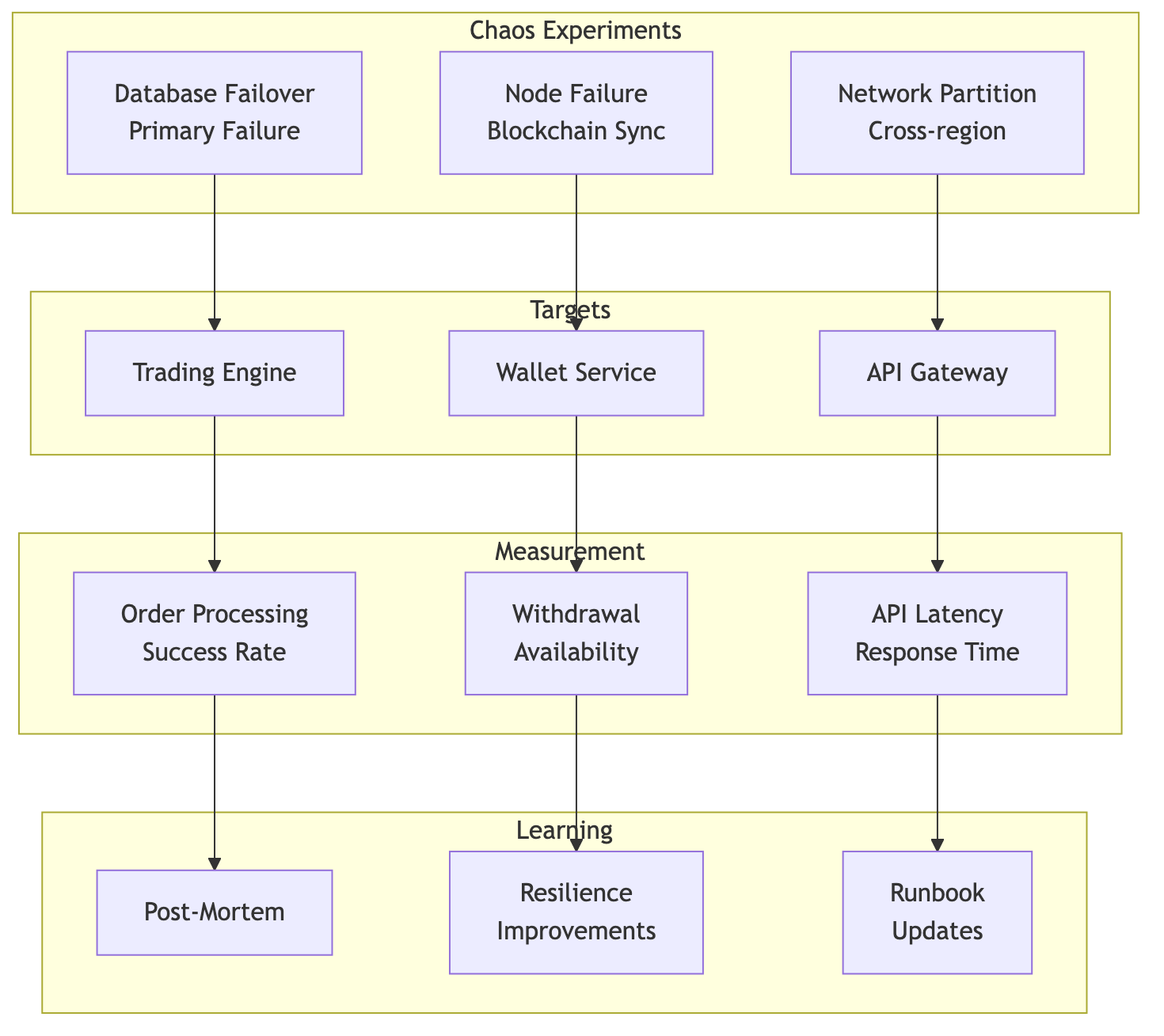
Practices:
- GameDay Exercises: Quarterly disaster simulations
- Blockchain Fork Handling: Chain reorganization tests
- Hot Wallet Compromise: Security incident drills
- Trading Halt: Circuit breaker testing
Analytics and Machine Learning
Data Pipeline
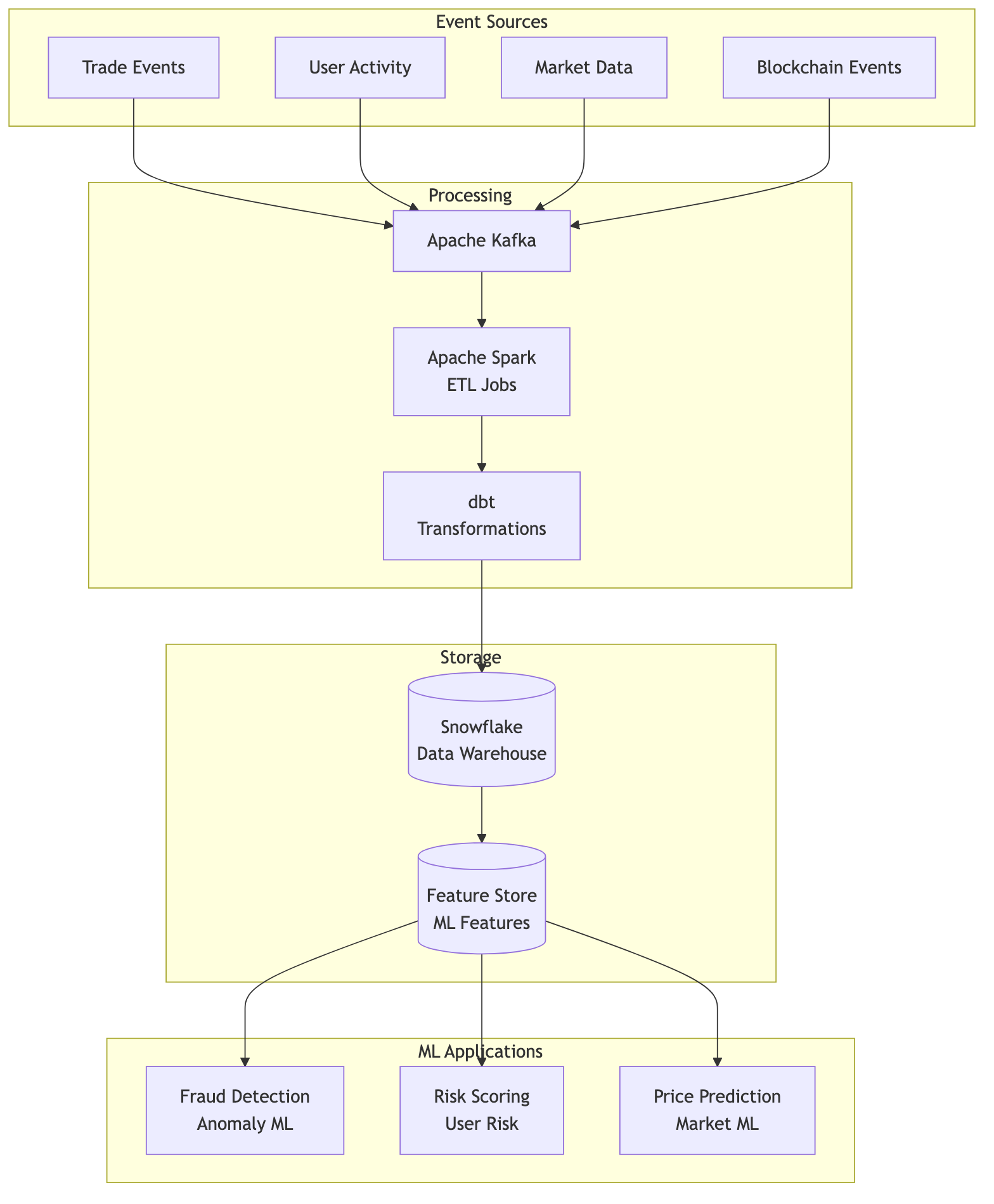
ML Use Cases
- Fraud Detection: Suspicious transaction patterns
- Account Takeover Prevention: Login anomaly detection
- Market Manipulation: Wash trading detection
- Risk Scoring: User and transaction risk assessment
- Price Alerts: Intelligent notification timing
Cost Optimization
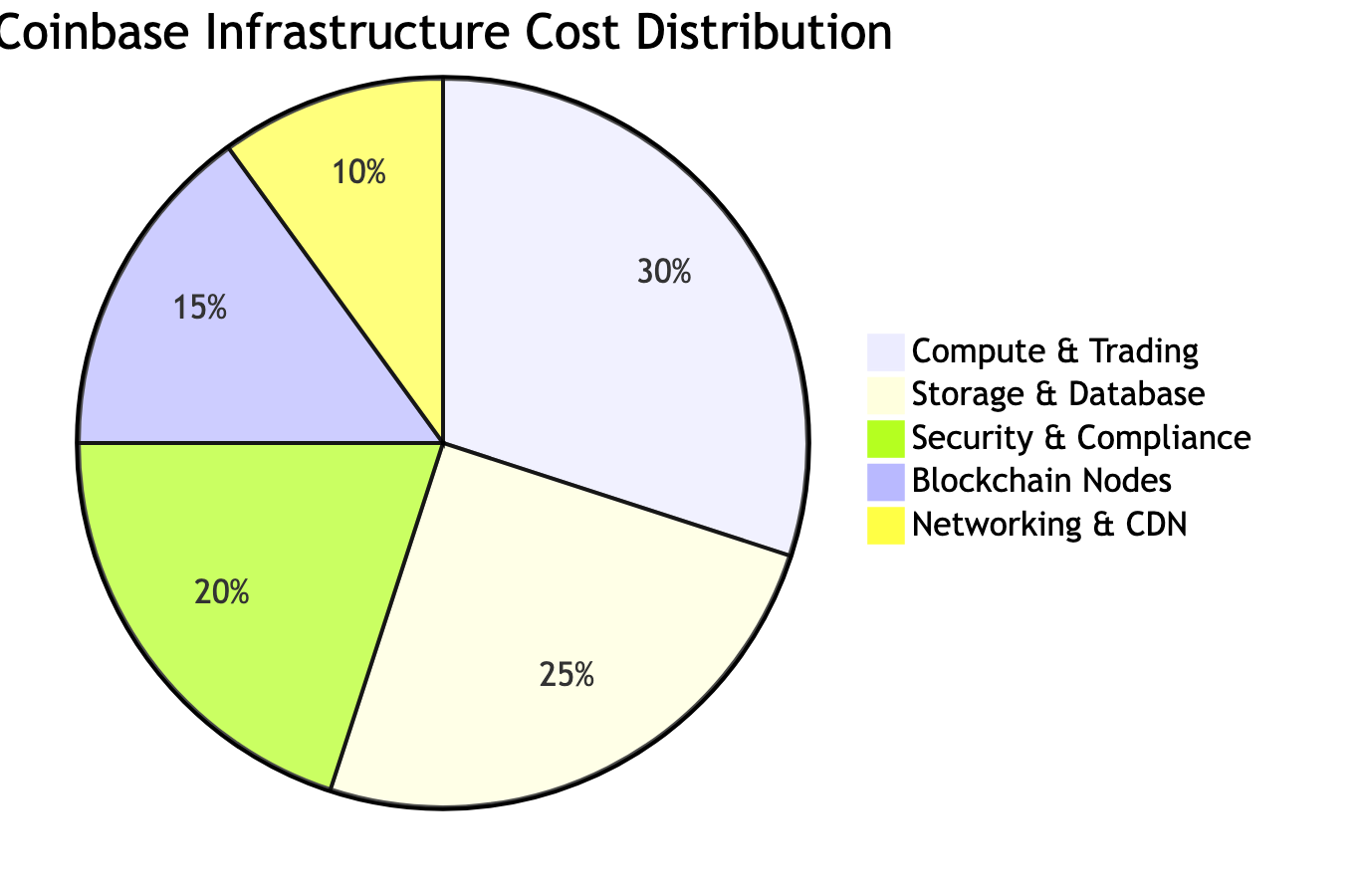

Key Strategies
- Reserved Capacity: Predictable trading infrastructure costs
- Blockchain Node Optimization: Shared infrastructure where possible
- Market Data Tiering: Archive old tick data
- Geographic Optimization: Region-based cost efficiency
Future Architecture Considerations
Emerging Technologies
- Layer 2 Scaling: Lightning Network, Optimistic Rollups
- DeFi Integration: Protocol integration, yield products
- NFT Infrastructure: Marketplace and minting
- CBDC Readiness: Central bank digital currency support
Platform Evolution
- Base L2: Ethereum Layer 2 scaling solution
- International Expansion: New market regulatory compliance
- Institutional Products: Prime brokerage services
- Staking Services: Proof-of-stake validation
Infrastructure Roadmap
- Multi-Cloud: Enhanced resilience across providers
- Edge Computing: Reduced latency for global users
- Zero-Knowledge Proofs: Privacy-preserving compliance
- Quantum Resistance: Post-quantum cryptography
Conclusion
Coinbase's architecture demonstrates how to build a secure, compliant cryptocurrency exchange at scale. The combination of robust trading infrastructure, industry-leading security practices, and comprehensive compliance systems enables Coinbase to serve millions of users while maintaining regulatory trust.
The platform continues to evolve with new blockchain integrations, Layer 2 solutions, and expanded institutional services, all while maintaining the security and reliability that users expect from a regulated financial institution.
There might be iterations needed, current data is as close I could get.
Chess.com
♟️ Chess.com serves over 100 million members globally, handling millions of concurrent games with real-time synchronization. This document outlines the comprehensive architecture that enables Chess.com to deliver low-latency gaming experiences with 99.9% availability.
HelloSign (Dropbox Sign)
📝 HelloSign serves millions of users globally, processing millions of legally binding e-signatures monthly. This document outlines the comprehensive architecture that enables secure, compliant, and seamless digital signature workflows with 99.99% availability.